
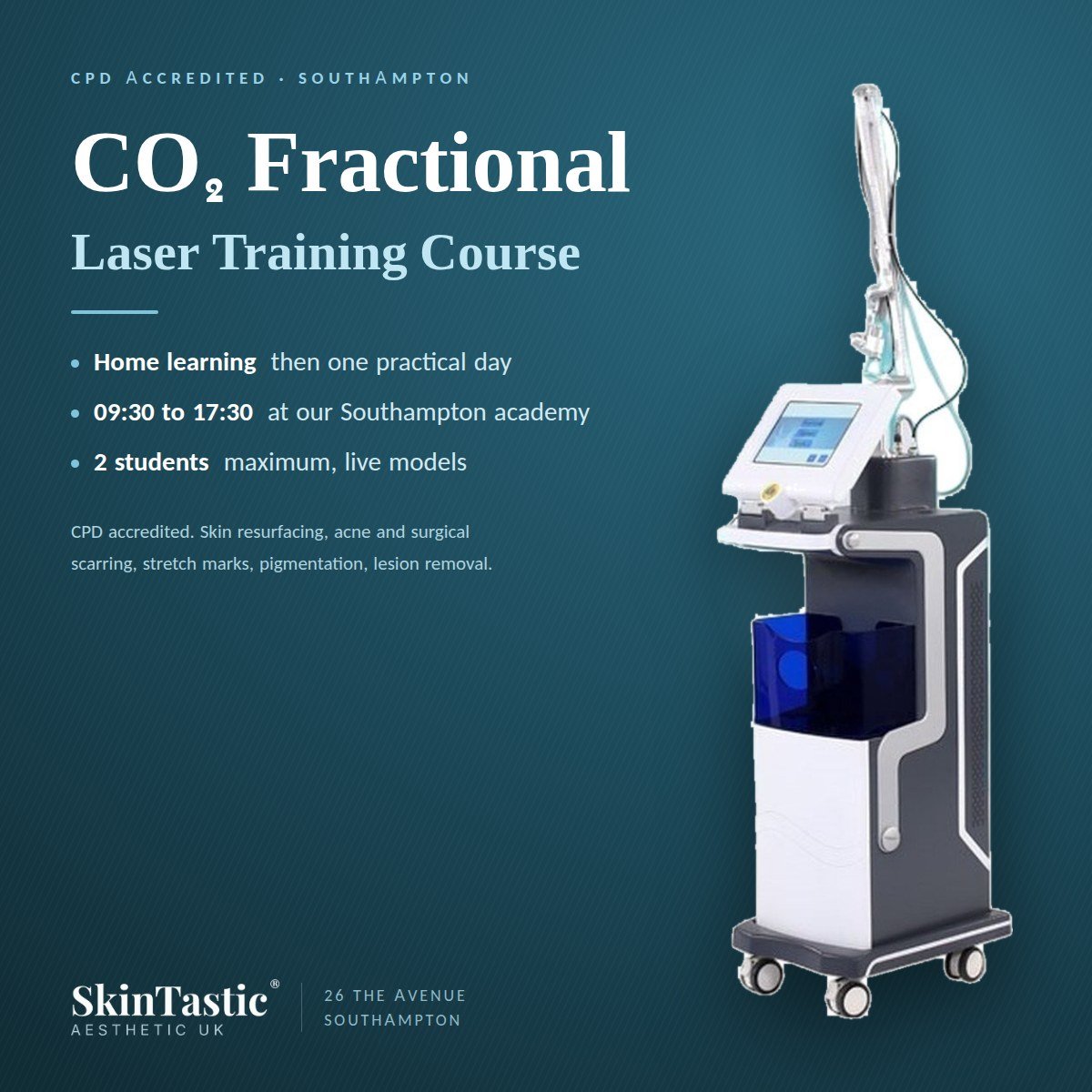
CO₂ Fractional Laser CPD Training Course
Advanced laser training for qualified practitioners, taught in Southampton on the CO₂ fractional system which we supply, and for which we are the UK Responsible Person registered with the MHRA.
Course overview
This is a blended course. The theory is completed as home learning in your own time and submitted before you attend, which leaves the day at the academy free for hands on work with the laser. Your practical day runs from 09:30 to 17:30, with a maximum of two students per intake. Weekend dates are offered on request. The course is CPD accredited.
Teaching follows the Operator and Clinical User Manual for this system (document SAS-UM-CO2F), the manual supplied with the device itself, so the settings, safety framework and protocols you are taught are the ones you will work from in your own clinic. As the UK Responsible Person registered with the MHRA for this device, we can answer questions about registration, safety data and compliance directly.
This course covers facial and body skin treatments and lesion work. It does not cover periorbital or intimate and gynaecological applications.
Part one: home learning, completed before you attend
1. The technology and how the laser interacts with skin
- The 10,600 nm CO₂ wavelength and why it is absorbed by water in the tissue
- Vaporisation, carbonisation and coagulation, and how the skin’s repair response drives collagen remodelling
- Fractional treatment compared with full field resurfacing: coverage, healing time, comfort and risk
- Class 4 classification under BS EN 60825-1, the RF metal tube source and 40 W maximum output
2. Reading and setting the parameters
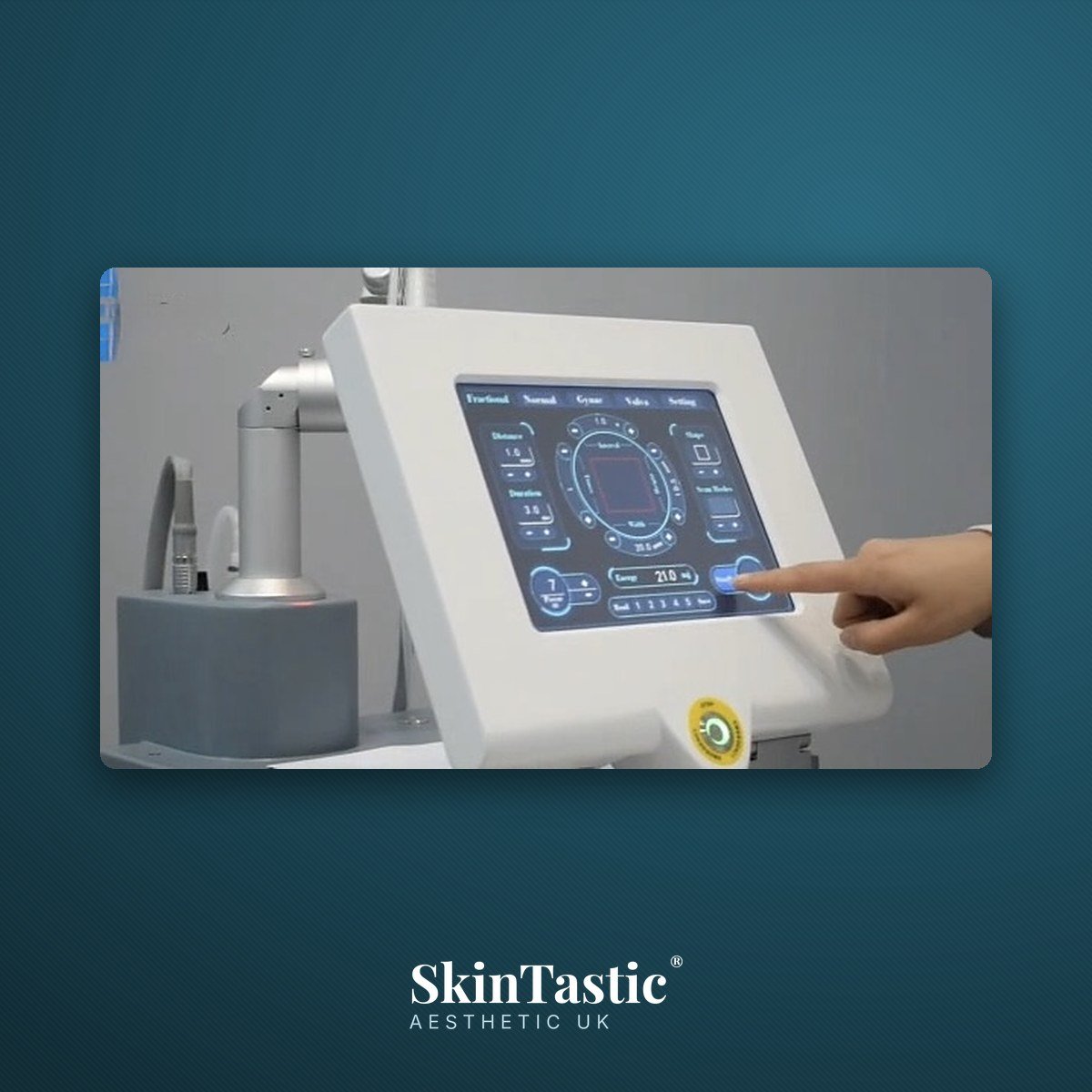
- Power, point energy, point dwell, point distance, scan interval, scan times, scan shape and scan mode
- How each setting changes depth and thermal effect, and what goes wrong when one is set too high
- Working out fluence, and why a 0.15 mm spot produces a high fluence even at modest energies
- The seven scan shapes, and drawing custom shapes for irregular scars and lesions
3. Laser safety and the controlled area
- Protective eyewear to BS EN 207 marked for 10,600 nm, and why tinted lenses or loupes offer no protection
- Total blockout corneal shields for the client, and additional protection of surrounding tissue
- Nominal ocular hazard distance, maximum permissible exposure, and the role of your Laser Protection Adviser
- Setting up a Laser Controlled Area: signage, access control, door interlock, key switch and emergency stop
- Surgical plume management: capture at the treatment site, ULPA and carbon filtration, FFP3 respiratory protection and filter disposal
- Electrical requirements, earthing, a dedicated supply, and moving the device safely
4. Consultation, assessment and contraindications
- Skin assessment and treatment planning by indication and skin type
- Contraindications including pregnancy and breastfeeding, photosensitivity and photosensitising medication, bleeding disorders, active infection or inflammation, a history of keloid or hypertrophic scarring, and recent retinoid use
- Deferral periods after peels or resurfacing, after sunburn, and after botulinum toxin or dermal filler
- Consent, realistic expectations, clinical photography and record keeping
5. Maintenance, calibration and daily checks
- Checks before every session: aiming beam alignment, test fire on a thermal card, interlock, emergency stop and eyewear condition
- Cleaning and disinfecting treatment heads, and lens care with lens paper and 99.9% alcohol
- Treatment head working life and planned replacement
- On screen alarms, common faults, and what must be left to an authorised engineer
- Keeping a maintenance and calibration log
Part two: your practical day at the academy
6. The treatment heads and the three spacers
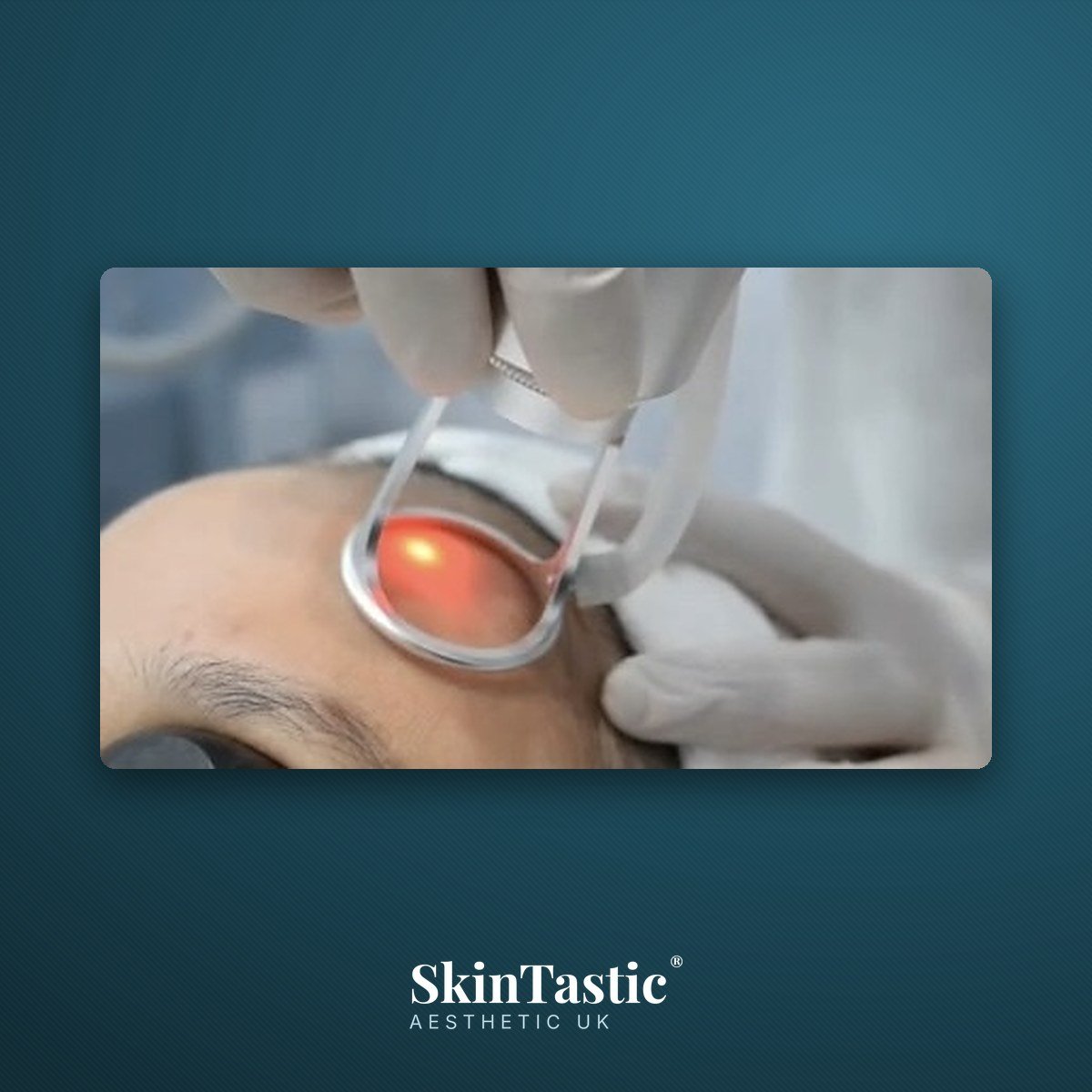
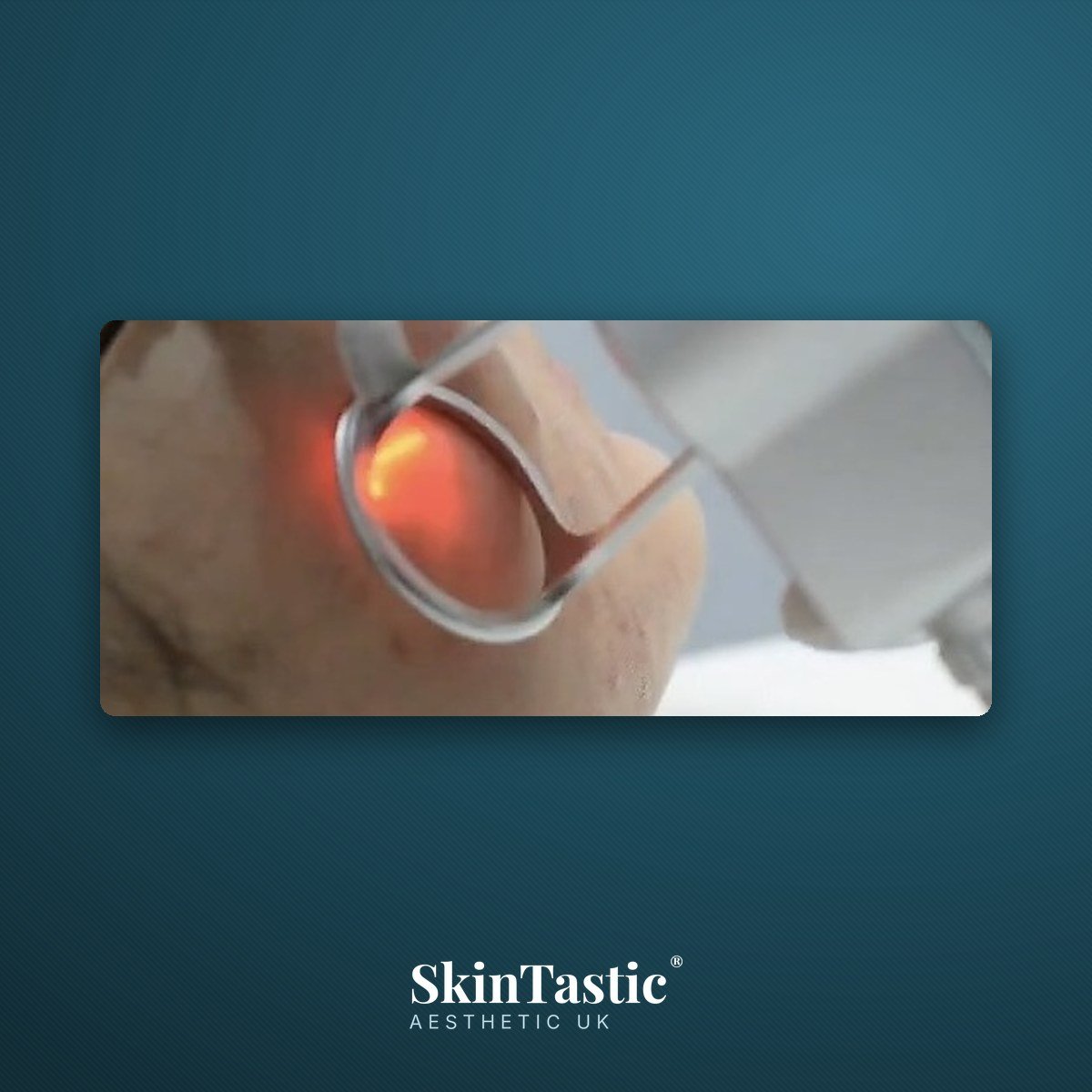
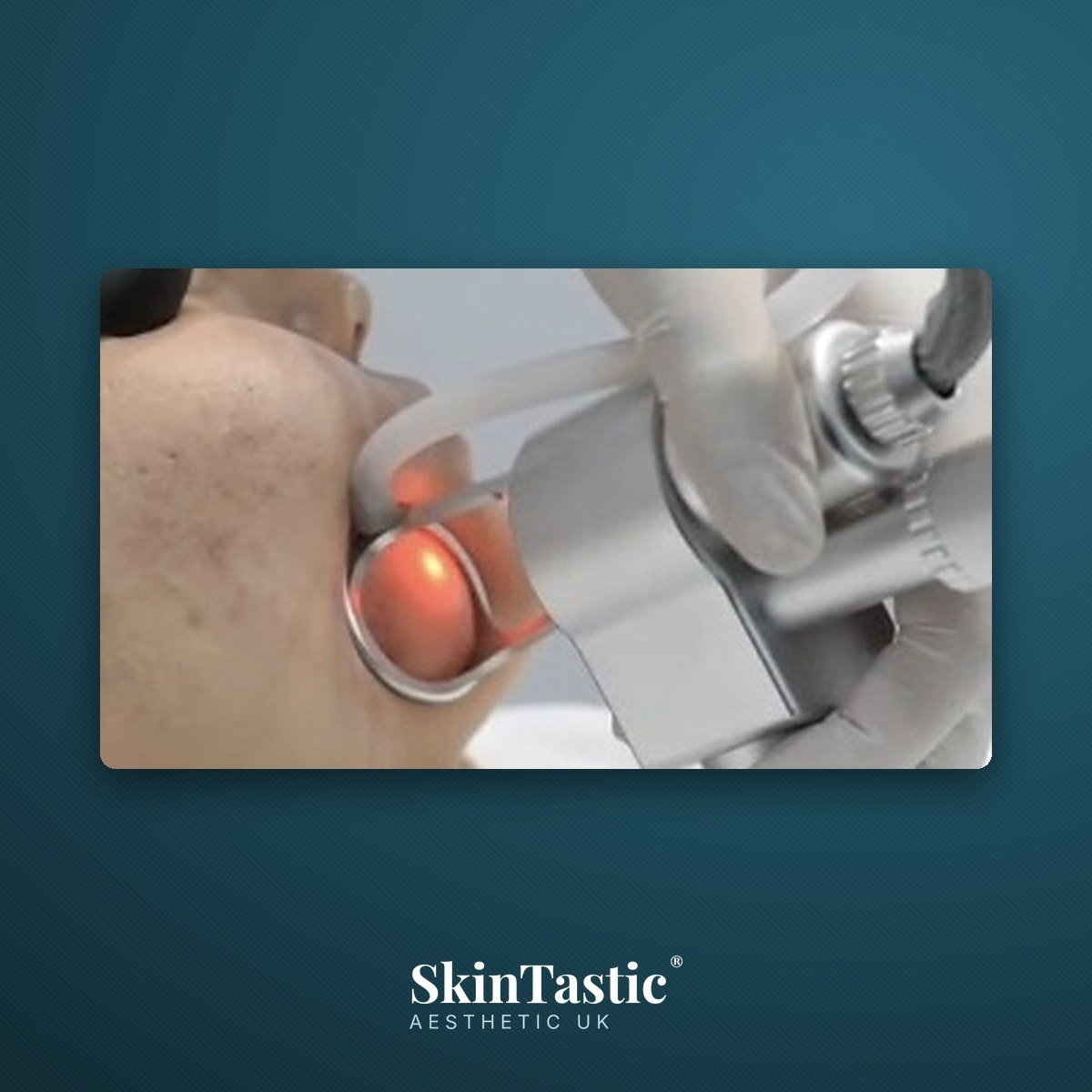
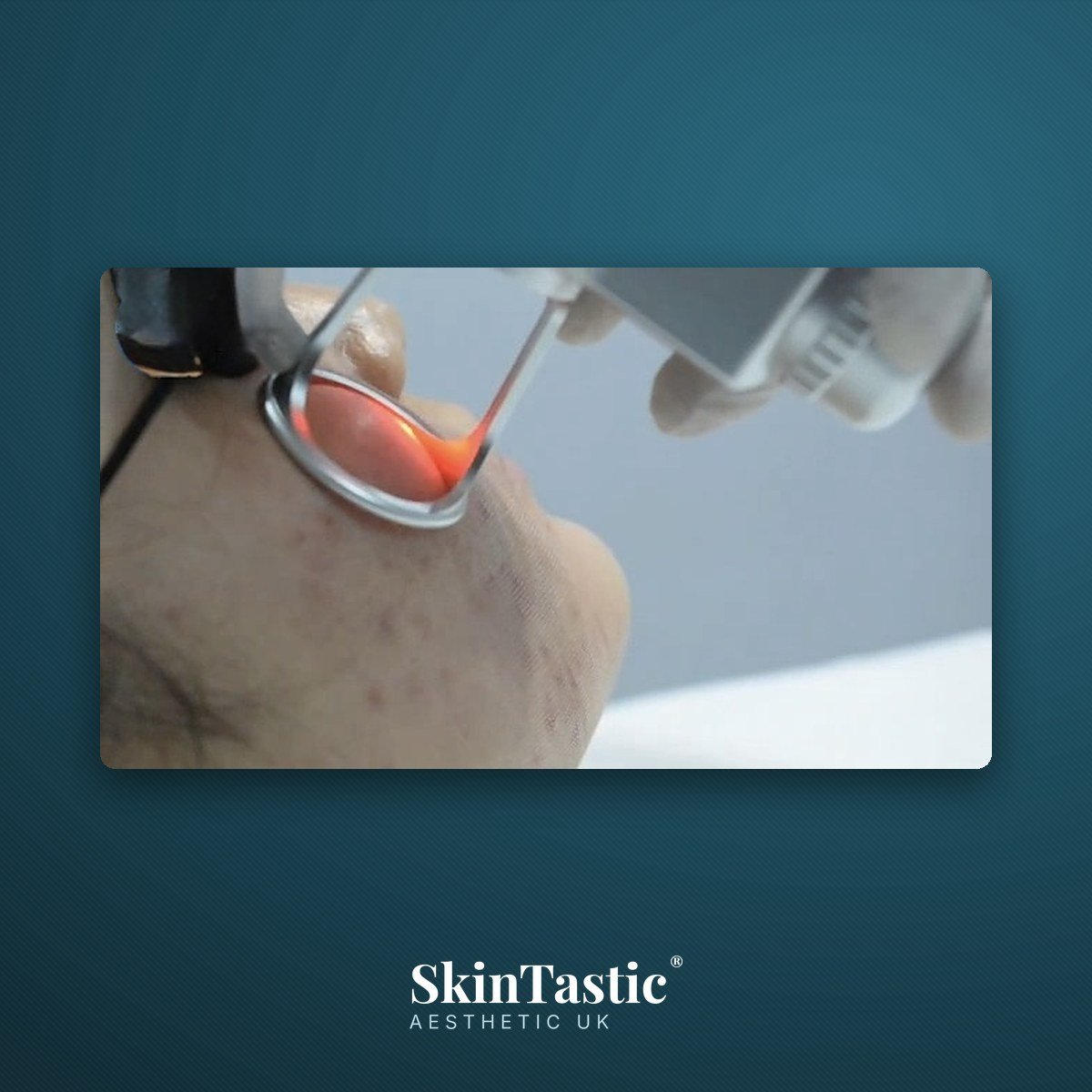
- The fractional scanning head for resurfacing, scars, pores, pigmentation, stretch marks and photoaged skin
- Tall, mid and short spacers, and how spacer choice sets non ablative, micro ablative or deep ablative depth
- The UltraPulse surgical head for incision, lesion removal and haemostasis
- Fitting, changing, cleaning and caring for each head, and matching the head to the correct mode on the touchscreen
- Test firing on a thermal target card, patch testing, and the principle of starting low
7. Clinical protocols, taught hands on
- Skin rejuvenation and brightening, fine lines, pores and texture
- Wrinkle reduction and skin tightening
- Acne marks and acne pitting
- Surgical, burn and traumatic scars
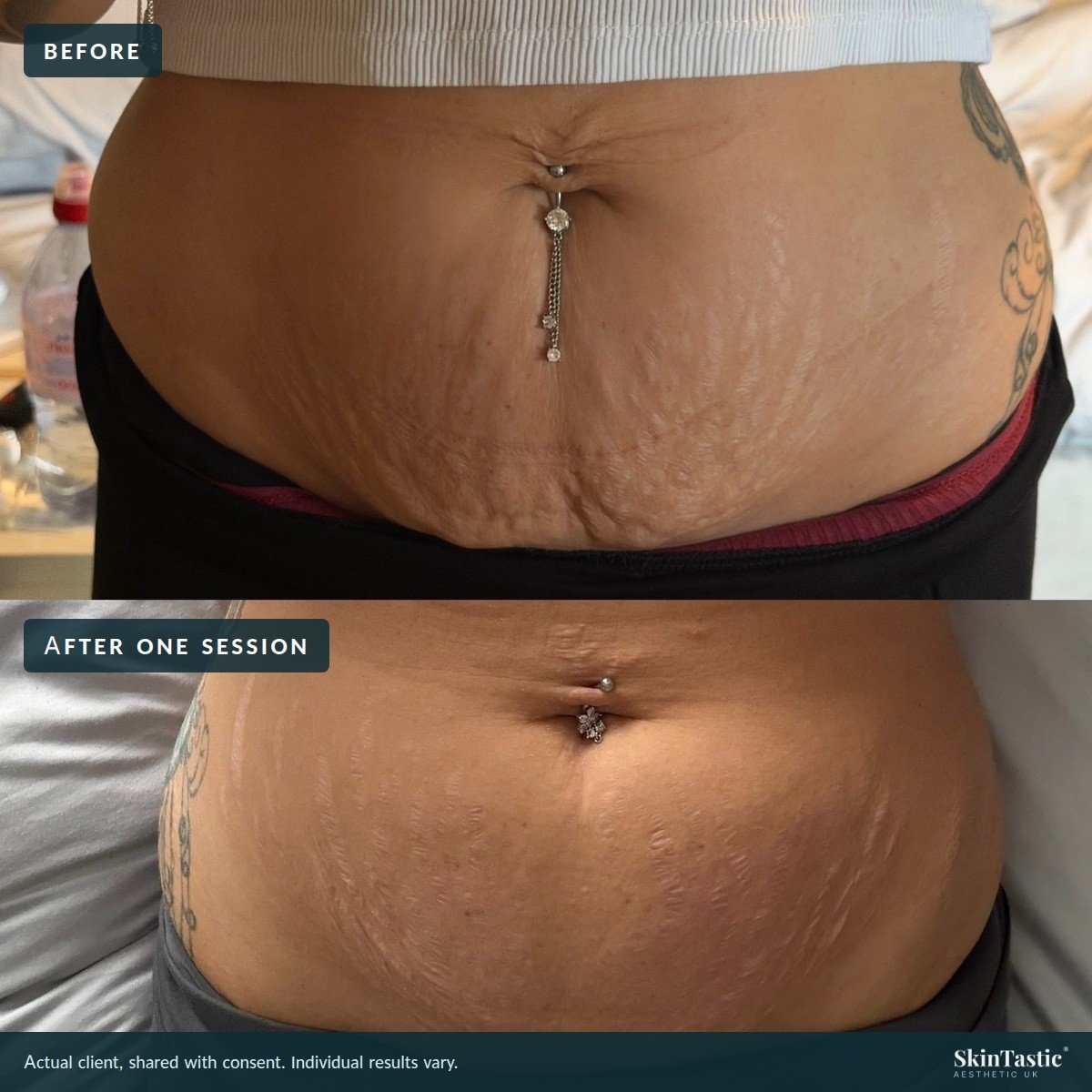
- Stretch marks and striae
- Pigmentation, freckling and melasma
- Lesion work with the UltraPulse head: skin tags, milia, verrucae and other benign growths, with control of minor bleeding
- The manufacturer’s recommended starting parameters for each indication, and how to adjust them safely for the individual client
- Clinical endpoints: what controlled ablation looks like, how to clear carbonised residue, and when to stop
8. Aftercare and managing adverse responses
- The healing timeline: erythema, micro crusting, scab separation and pigment recovery
- Barrier repair and hydration, infection prevention, and strict photoprotection
- Recognising and managing prolonged erythema, post treatment infection, post inflammatory hyperpigmentation and hypertrophic scarring
- Review appointments, when to refer, and how to document an adverse response
Assessment and certification
The home learning is assessed by written theory questions, submitted for marking before you attend. On the day you complete a supervised practical assessment on live models provided by Skintastic, recorded on a practical skills checklist signed by your trainer, followed by case study submissions. On successful completion a Certificate of Competence in CO₂ Fractional Laser Therapy is issued by Skintastic Aesthetic Lasers Ltd, CPD accredited.
Entry requirements
This course is for qualified laser practitioners only. Delegates must hold:
- A Level 3 Award in Anatomy and Physiology
- A regulated laser qualification at Level 4 as a minimum, with Level 5 preferred
The device is a Class 4 medical laser and may be operated only by trained, qualified practitioners working within the scope of their training, insurance and local authority licensing.
Training format
- Location: Skintastic Aesthetic Lasers Ltd Training Academy, 26 The Avenue, Southampton, SO17 1XL
- Structure: home learning completed and submitted first, then one practical day at the academy
- Practical day: 09:30 to 17:30
- Class size: maximum two students per course
- Models: provided by Skintastic
- Weekend training: available on request
- Investment: £799
Results from any laser treatment vary between individuals and depend on the indication, the skin type and the number of sessions. All treatment must be carried out by a trained, qualified practitioner within the scope of their competence.
Verify this accreditation
This course is CPD accredited and has its own entry on The CPD Register, where the accreditation can be checked independently. View this course on The CPD Register.
Skintastic’s provider listing is here.
Learning outcomes
By the end of the practical day you should be able to:
- Explain in simple terms how a CO₂ fractional laser works
- Identify each treatment head and spacer and say what it is used for
- Describe the main controls and how they affect the treatment
- Select appropriate starting parameters for common treatments
- Carry out the key laser safety checks and describe the controlled area
- List the main contraindications
CPD credits
16 CPD credits, accredited by The CPD Group.