CPD Accredited · 12 Credits · Light and IPL
Laser Acne Therapy Training Course
Treating mild to moderate acne with light. The photochemical reaction explained properly, who you can treat, who you must refer, and how to set expectations honestly.
Price on enquiry12 CPD creditsBlue light at around 480 nmYellow filter at around 560 nmLive modelsHardback manualSouthampton academy
Ask us for dates and priceMessage us on WhatsAppAbout this course
Light based acne therapy works, but only for the right client. This course teaches you the science, so that you can explain to a client exactly what is happening to their skin, and the judgement to know when to refer them to a GP or dermatologist instead of treating them.
The bacteria that cause acne contain natural molecules called porphyrins, which are sensitive to blue, green and yellow light. When light activates a porphyrin it creates an unstable molecule of singlet oxygen. That reverts to normal oxygen plus a free radical oxygen atom, and the free radical destroys the bacterial cell. That is the photochemical reaction, and you will be able to describe it.
Blue light at around 480 nanometres targets the bacteria, now correctly called Cutibacterium acnes. Some IPL and broad band systems add a second yellow filter at around 560 nanometres to calm the inflammation and redness of active spots.
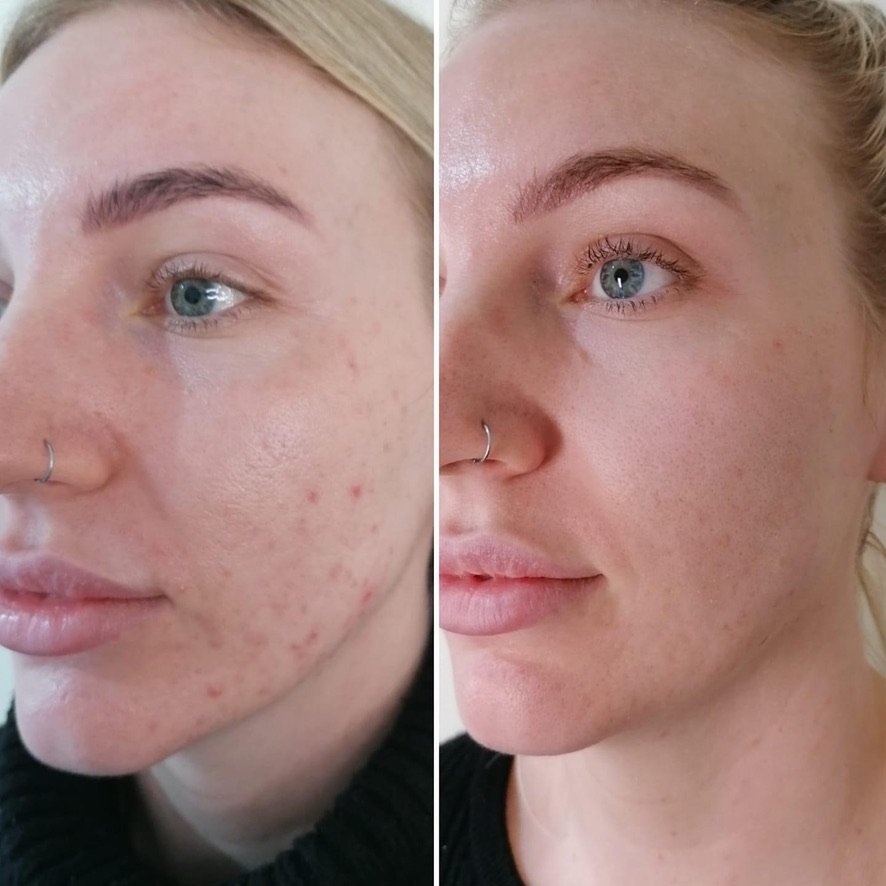
You will also learn the honest limits. Light treatment reduces spots and fades the red marks left behind, but it will not remove pits or craters, and it is not suitable for severe, cystic or scarring acne.
- CPD accredited, 12 credits
- The photochemical reaction, step by step
- Blue light at around 480 nm and yellow at around 560 nm
- Who is suitable and who must be referred
- Typical course of 4 to 12 sessions at 2 to 3 week intervals
- Realistic expectations and timescales
- Aftercare, sun avoidance and skincare
- Recording your own device parameters
| Section | What it covers |
|---|---|
| How light treats acne | The wavelengths that target the bacteria and calm the inflamed sebaceous glands, and why controlled pulsing limits heat build up |
| The photochemical reaction | Porphyrins, singlet oxygen, the free radical and the destruction of the bacterial cell |
| Wavelengths and filters | Blue light at around 480 nm for the bacteria, and the yellow filter at around 560 nm for inflammation and redness |
| Who is suitable | Mild to moderate acne, and clients who have tried creams and antibiotics without success |
| Who must be referred | Severe, cystic or scarring acne, and how to have that conversation with a client |
| Expectations and timescales | A typical course of 4 to 12 sessions at 2 to 3 week intervals, with improvement often after the first or second |
| How the skin heals | What happens over the days and weeks after treatment, and why the best result often shows later |
| Aftercare and referral | Gentle skincare, daily SPF, no picking, 48 hours out of the sun, and when to send a client to their GP |
| Your own device parameters | Recording the suggested acne settings for the machine you actually use |
| Safety and legislation | Laser and IPL safety, Local Rules, your LPA and eye protection |
What you get
Hardback workbook
Posted to you
An interactive hardback manual and workbook is sent out when you book. You work through it, complete the questions, and keep it as a reference in your clinic.
Online resources
Study at your own pace
Online learning to work alongside the manual, so you can go over anything as many times as you need before you come in.
Practical training
Live models
Face to face at our academy on The Avenue in Southampton, on live models under supervision, with all client forms included for your own clinic.
How you are assessed
Assessment is by written knowledge check questions, followed by supervised practical work on live models.
You will be asked to describe the photochemical reaction, identify which type of acne is not suitable for light treatment and what you would advise, state the typical number of sessions and interval, and explain why light treatment cannot remove scarring or pits.
You then record the acne parameters for your own device and demonstrate a full treatment under supervision.
- Written knowledge check questions
- Device parameter record for your own machine
- Referral decision making assessed
- Supervised treatment on a live model
- Certificate on successful completion
Before you book
Entry requirements. A Level 3 qualification in Anatomy and Physiology, and a Laser and IPL Core of Knowledge certificate.
If you are missing either, you can take them with us first. Level 3 Anatomy and Physiology and Laser and IPL Core of Knowledge.
Insurance. Most insurers want to see an existing beauty or aesthetics qualification alongside a CPD certificate before they will cover you for this treatment.
If you are not sure whether your qualifications and your policy will cover you, message us on WhatsApp before you book and we will check it with you.
Accreditation
This course is accredited by The CPD Group. Skintastic Aesthetic UK is an approved provider, number 777800, which anyone can verify at thecpdregister.com. The course carries 12 CPD credits and the accreditation runs to 25 December 2029.
The rest of the picture
Book your place
Message us on WhatsApp for the next available dates and the current price, and we will get your manual out to you.
Ask us for dates and priceMessage us on WhatsApp