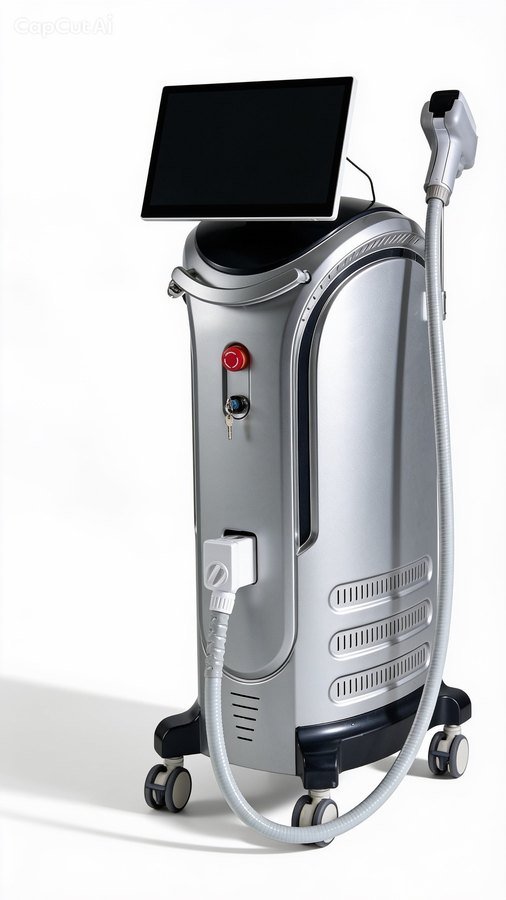
Registration with, or membership of, any body named here does not imply their endorsement or approval of Skintastic or of this device.
What it is for
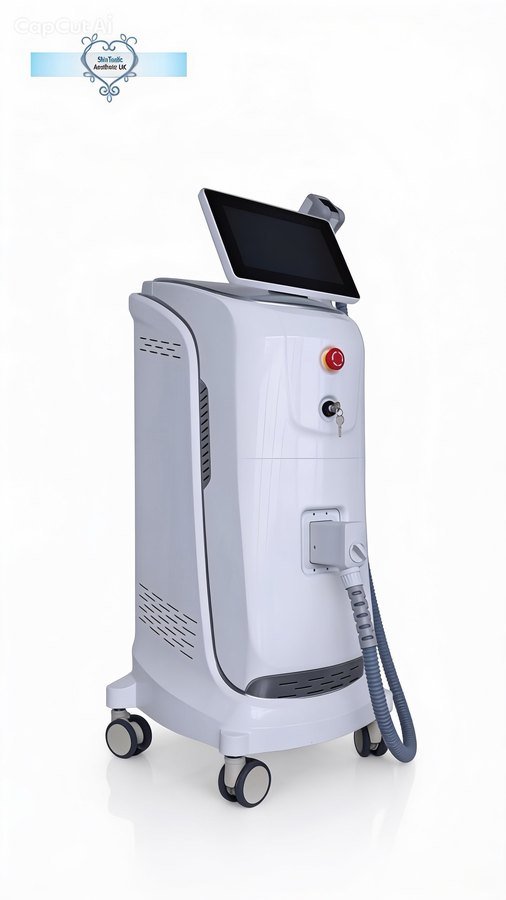
A high volume hair reduction laser
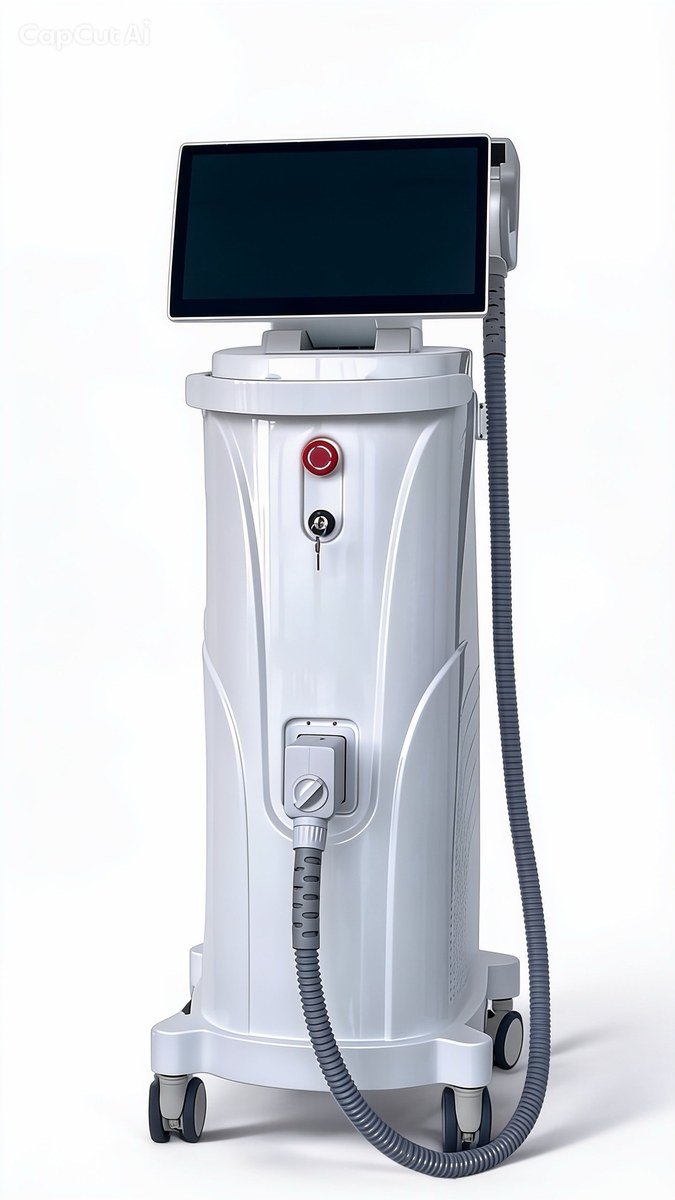
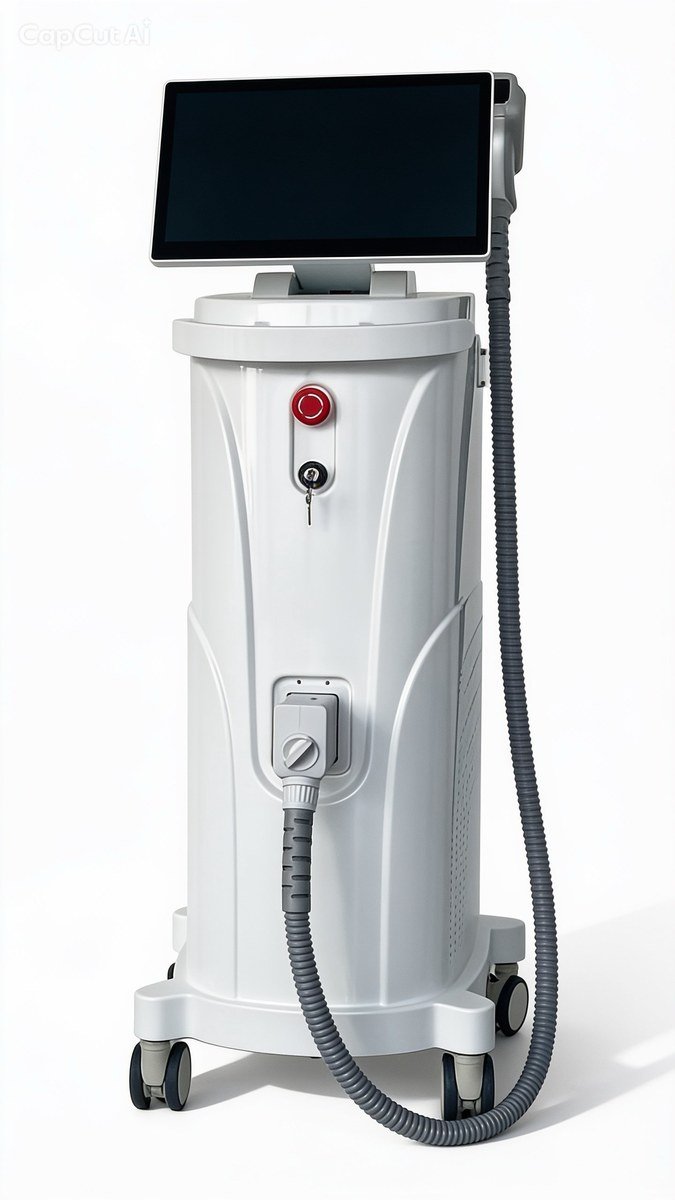
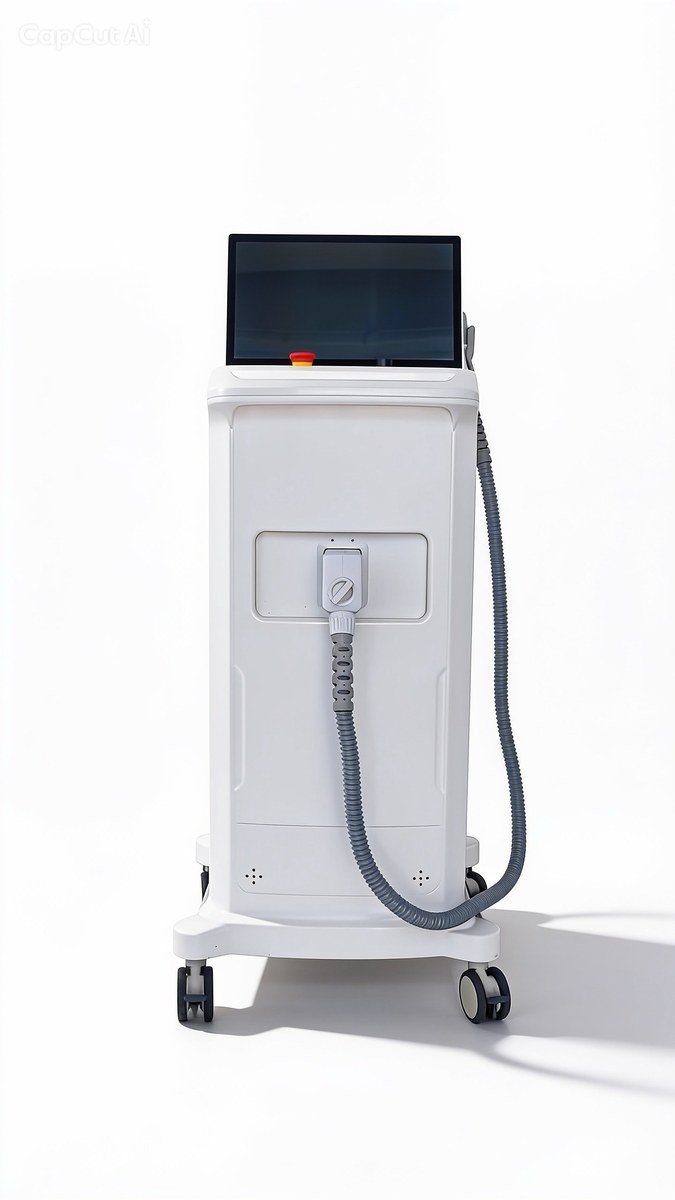
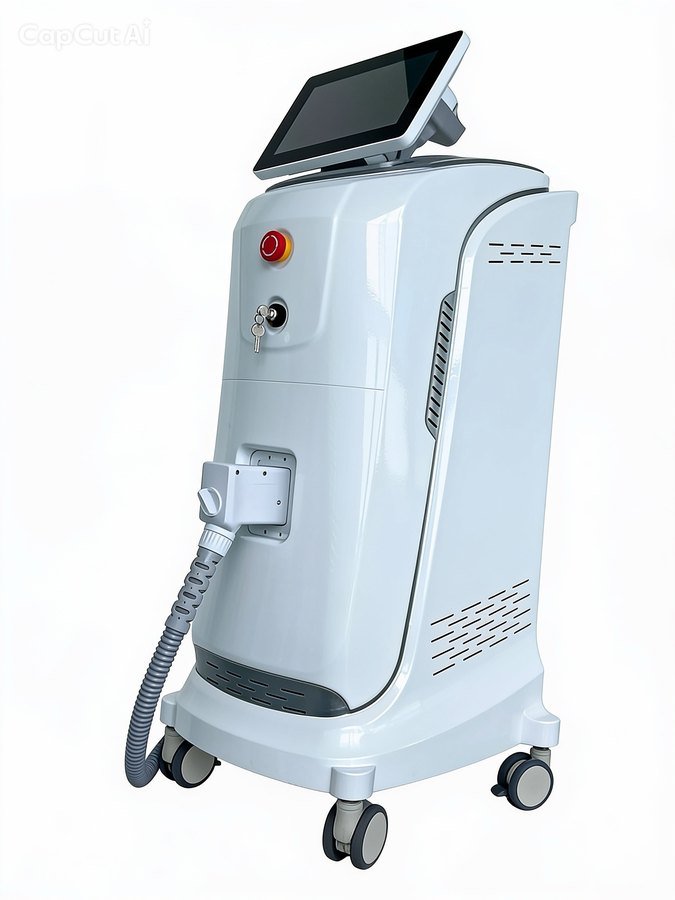
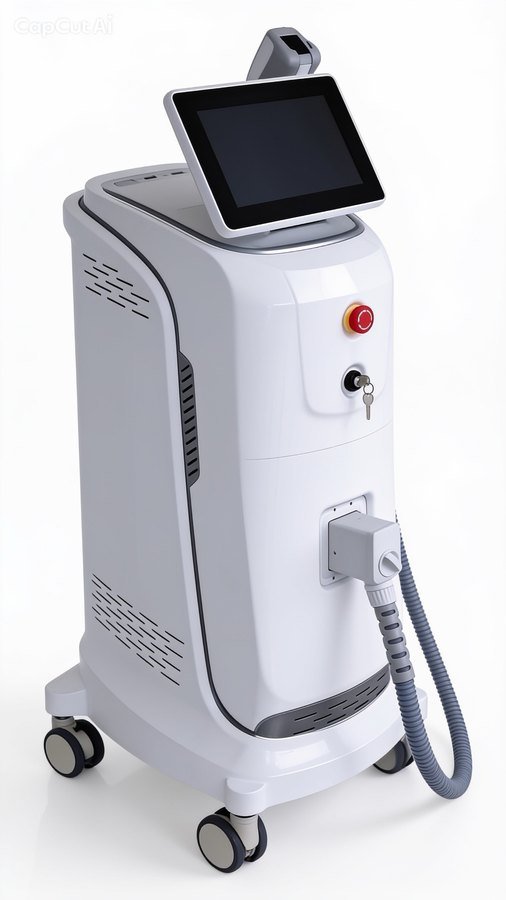
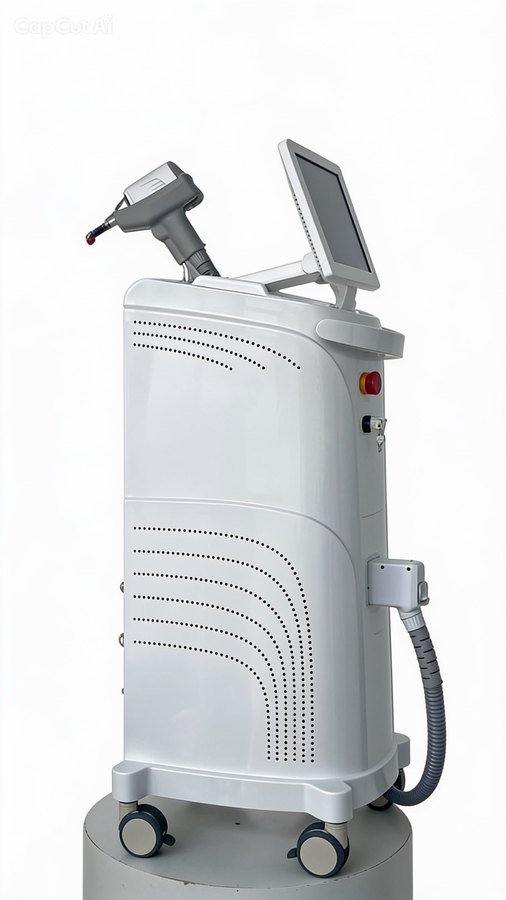
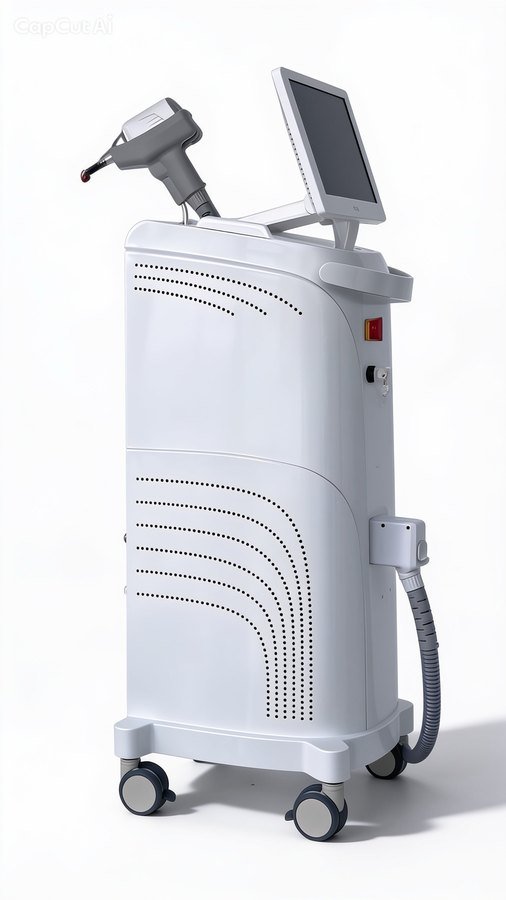
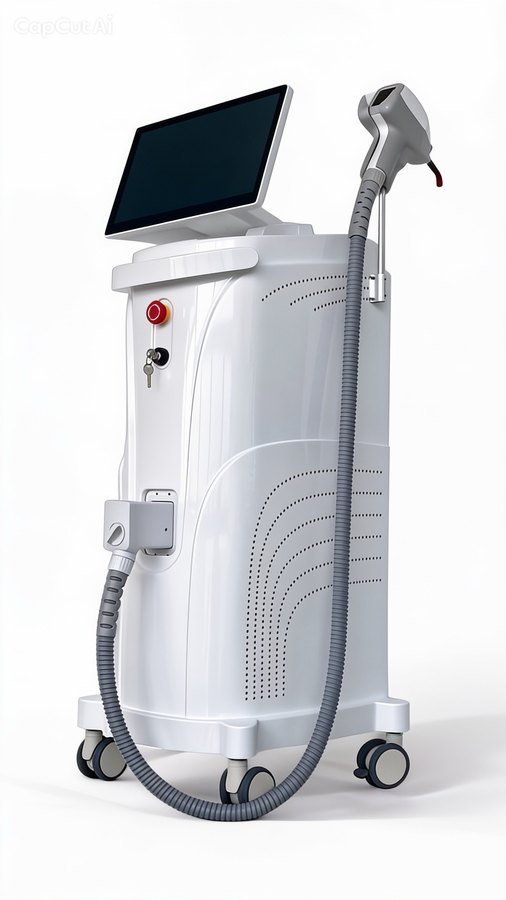
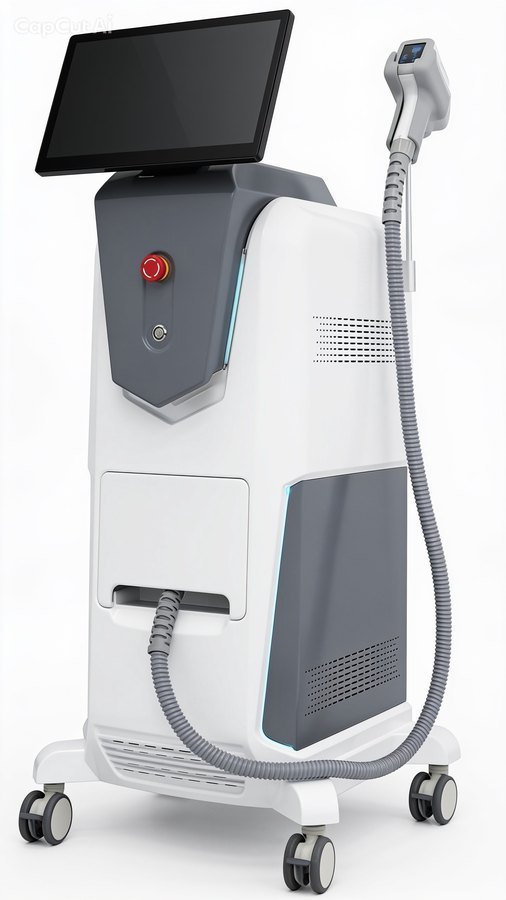
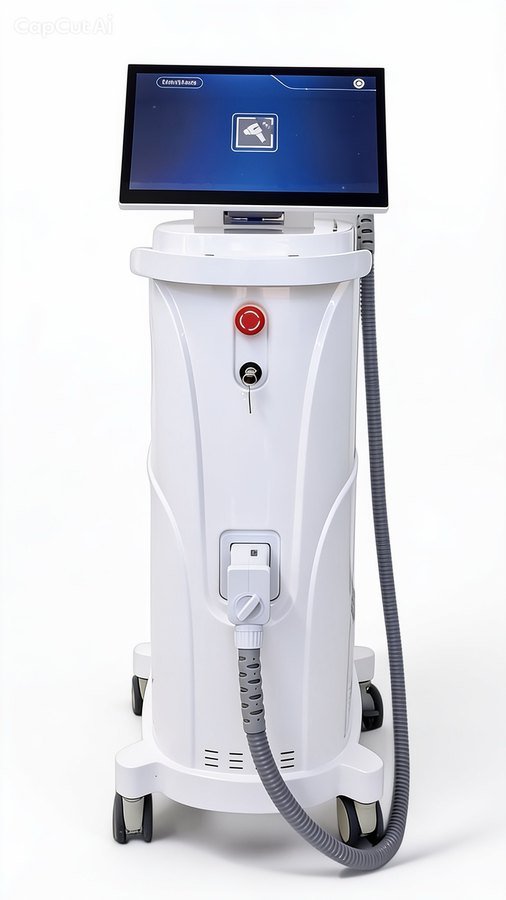
The LD1 is the machine we sell to clinics whose diary is full of hair removal. We retail it in one configuration only, the 2400W quad wavelength build with the C-MAX handpiece, because it is the one that covers every client who walks through the door.
Fitzpatrick I to VI on one machine
Three smart tips, recognised automatically
360 degree cooling down to minus 20 degrees
US Coherent laser bars with a 100 per cent pure AuSn stack
Ten to twelve hours of continuous working
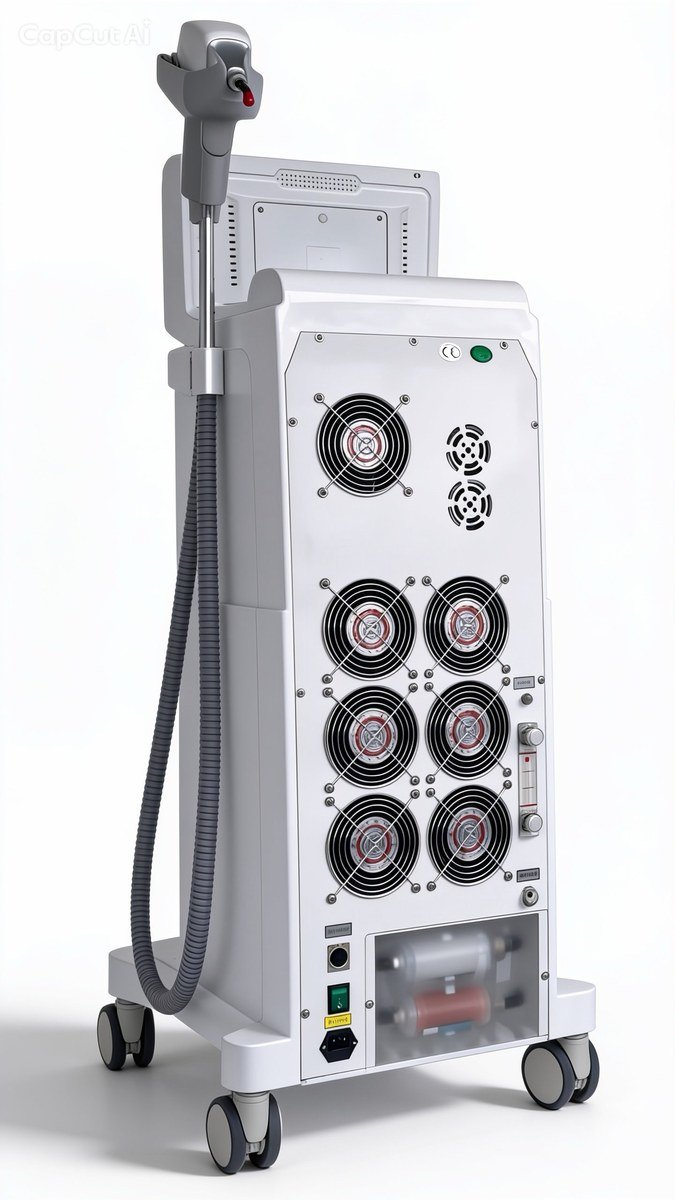
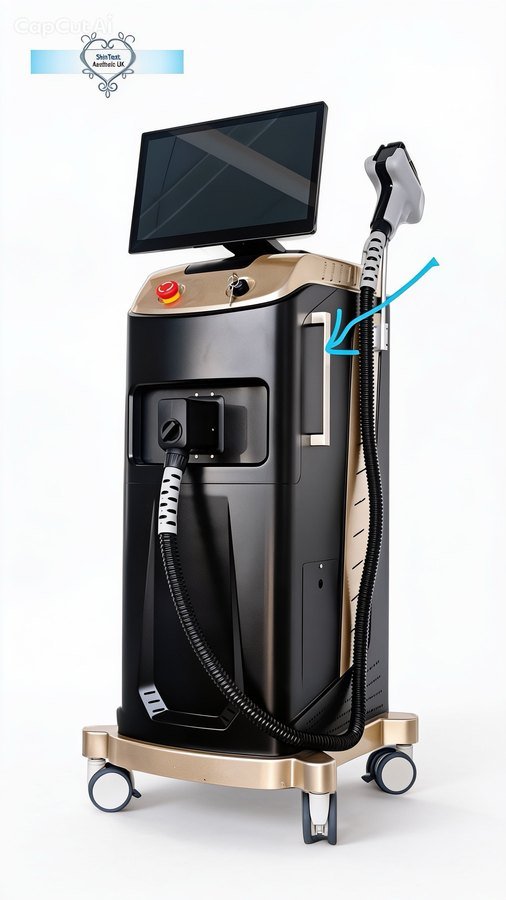
Water filter on the outside, so nobody opens the shell
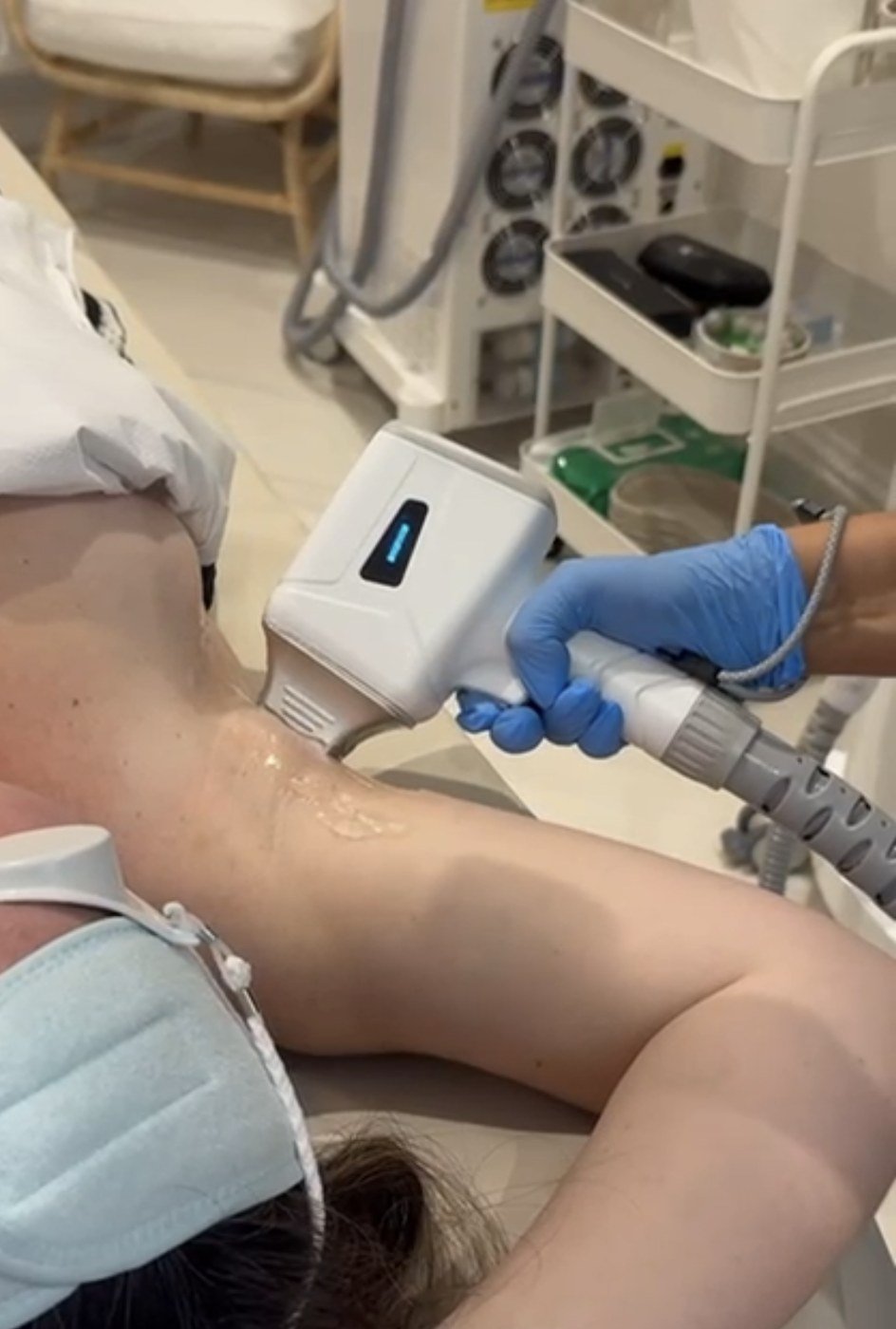
Underarm hair reduction with the C-MAX handpiece.
The handpiece
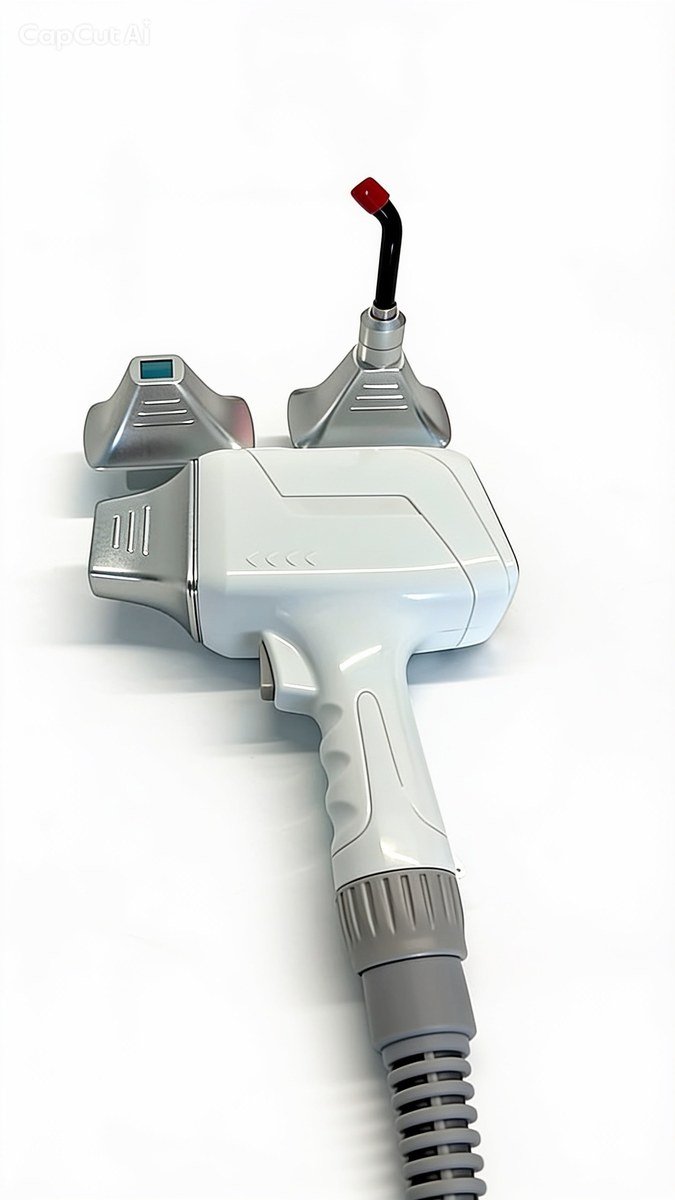
C-MAX, with the controls in your hand
The C-MAX carries its own screen. Fluence, pulse width, frequency and cooling are all adjusted on the handpiece itself, so you are not putting the applicator down and walking back to the trolley between passes.
2400W
Laser power
1800W to 2400W from a US Coherent source, with a 100 per cent pure AuSn laser stack.
20M
Shots
Twenty million shot lifespan ensured by the manufacturer on the C-MAX stack.
4°C
Held at the skin
A PT100 sensor inside the handle holds the sapphire crystal at a constant 4 degrees.
Intelligent recognition
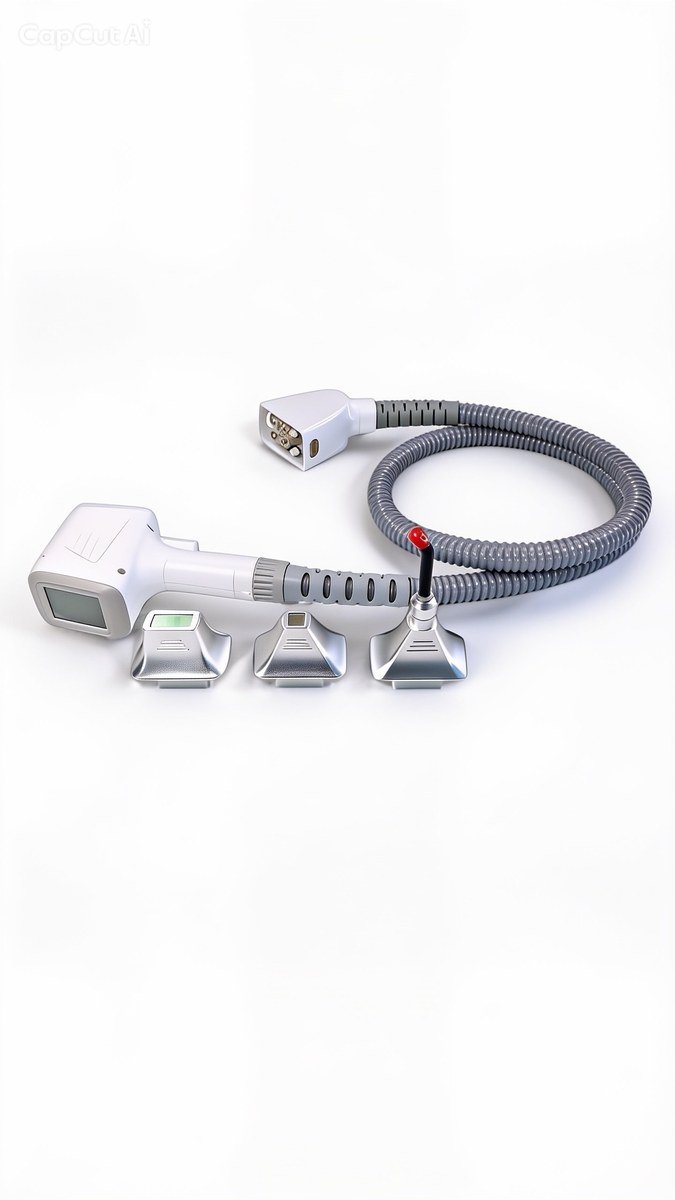
Three spot sizes in one handpiece, recognised automatically
Three 3D magnetic smart tips cover the whole body. Fit any tip to the handle and the machine recognises which one you have put on and loads the pre-set parameters for it. There is no menu to hunt through and no chance of running body settings on a face.
Body tip
25 × 30mm. Legs, backs, chests and arms. The large footprint is what turns a full leg into a sensible appointment rather than an hour of small overlapping passes.
Facial tip
15 × 15mm. Face, underarms, bikini and the jawline. Enough coverage to be quick, small enough to follow a contour.
Mini tip
Ø8mm. Upper lip, chin, ears, nostrils and around the eyebrow. The round tip reaches places a square one cannot.
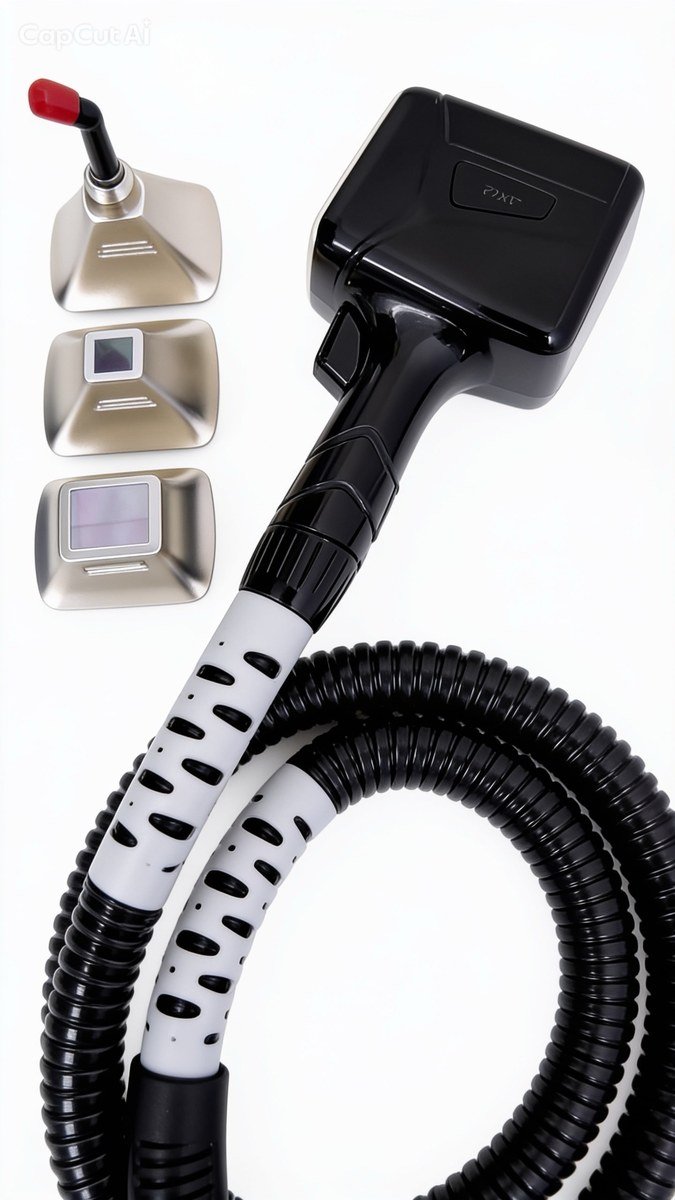
All three tips are supplied with every LD1.The C-MAX with a tip fitted.Handpiece, armoured cable and the full tip set.
3D magnetic connection, tips change in seconds with no tools
The machine loads the pre-set parameters for the tip fitted
All three supplied as standard, not as an upsell
Replacement tips held in the UK
Cooling
360 degree cooling, down to minus 20
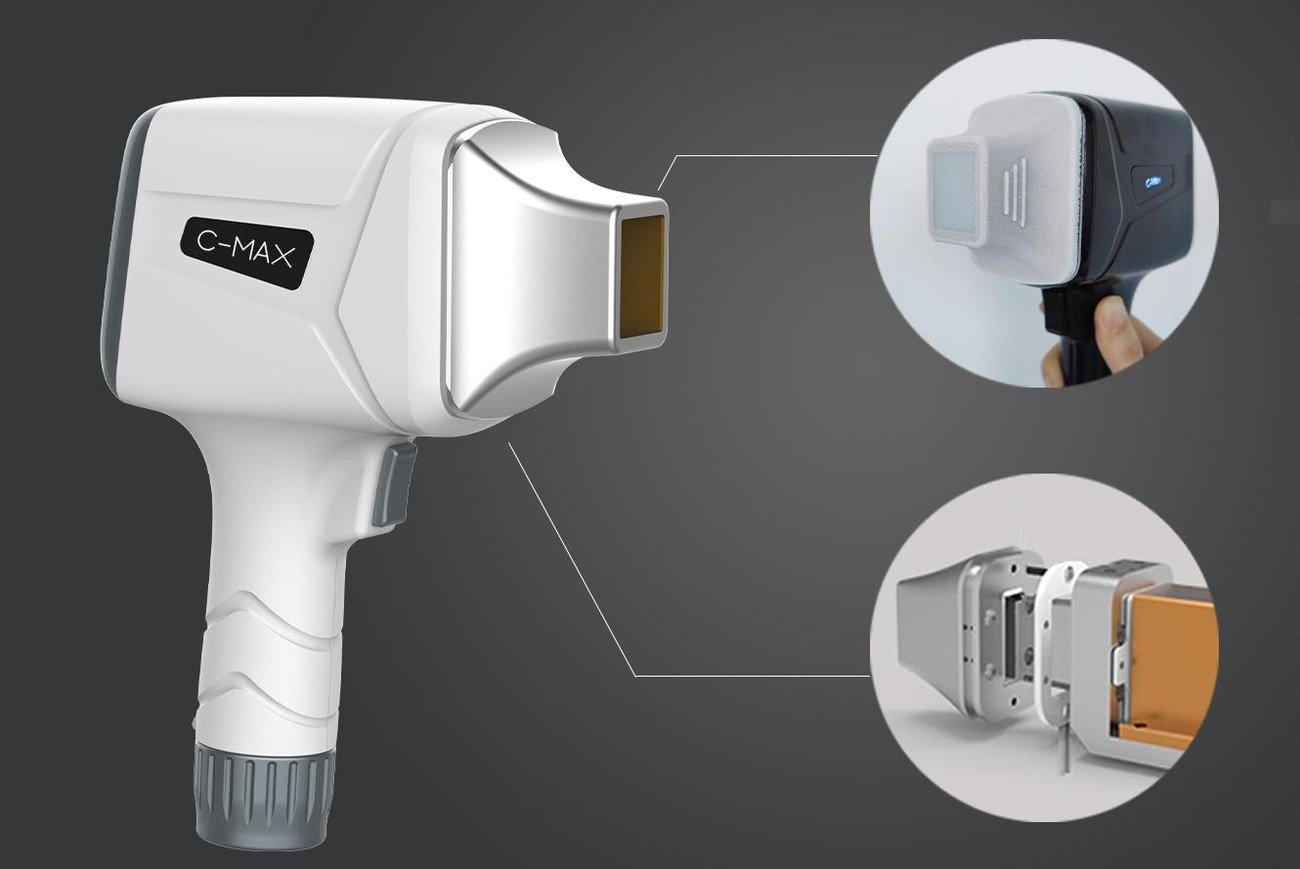
The tip and the handle connect all the way round rather than on one face, so cooling reaches the skin from every side of the sapphire window. The manufacturer rates the system to minus 20 degrees, and the PT100 sensor holds the crystal at a constant 4 degrees at the skin.
Sapphire crystal contact window
Forced air
Closed circuit water circulation
Semiconductor cooling
TEC thermoelectric plates
A closed water circuit means no plumbing. Top it up and it looks after itself.
The tip and handle connect all the way round. Manufacturer illustration.
Wavelengths
Four wavelengths, because hair is not all the same
The quad build fires all four as one blended output. Each one reaches a different sort of hair, which is why a single wavelength machine leaves work behind.
755nm
For thin and light hair with a shallow root.
808nm
For hair of average root depth, colour and thickness. The classic diode wavelength.
940nm
For dark hair with a shallow root.
1064nm
For dark hair with a deep root, and the wavelength that lets you treat darker skin safely.
The manufacturer also builds single wavelength and triple wavelength versions. We retail the quad, because on a mixed clinic list it is the one that does not run out of answers.
Real time monitoring
The handpiece tells you what it is doing
A high precision PT100 sensor sits inside the C-MAX. The screen reports what is actually happening rather than what was set, which is what you want in front of a client.
TEC plate status
Live state of the cooling plates.
Tip temperature
The real temperature at the treatment tip.
Pulse width
Output energy actually delivered.
Shot counter
Total shots recorded, for servicing and for your records.
Operating system
Built for a working clinic day
Easy interface
Intelligent operating system with pre-set parameters
Fifteen languages
Treatment records saved per client
Monitoring and alarming built in
Renting mode for machines out on hire
Treatment record saving
Every client tolerates the laser differently. Once you have found the settings that suit someone, the machine saves them against their name, so the next appointment starts from the parameters that already worked rather than testing again from low energy.
Renting mode lets a machine be released for a set period with a time limited password. If you hire equipment out, that is a genuinely useful thing to have built in.
Alarms and diagnostics
It tells you what is wrong before you have to guess
Five alarms
Water flow speed, prompting a filter change
Water temperature, prompting calibration
Water impurity, prompting fresh water
Water level, prompting a top up
Handle button status, if the trigger is held down
An alarm on this machine is not a fault. It is the machine protecting itself and telling you why.
Part level diagnostics
The monitoring screen reports on each subsystem separately: control voltage, control board, cooling system, water pump and the constant current power supply. If something does go wrong, the engineer knows which part before anyone opens anything, and the right part can be sent first time.
This is why servicing an LD1 is quick. The machine has already narrowed it down.
Maintenance
The water filter is on the outside
This matters more than it sounds. On the LD1 the water filter sits outside the machine body, so changing it is a two minute job that a clinic owner can do without tools.
Nobody has to open the shell of a Class 4 laser to service the water. We will not supply a machine that expects a salon owner to take the cover off, and we do not ask our customers to do it. On this machine the manufacturer designed the problem out.
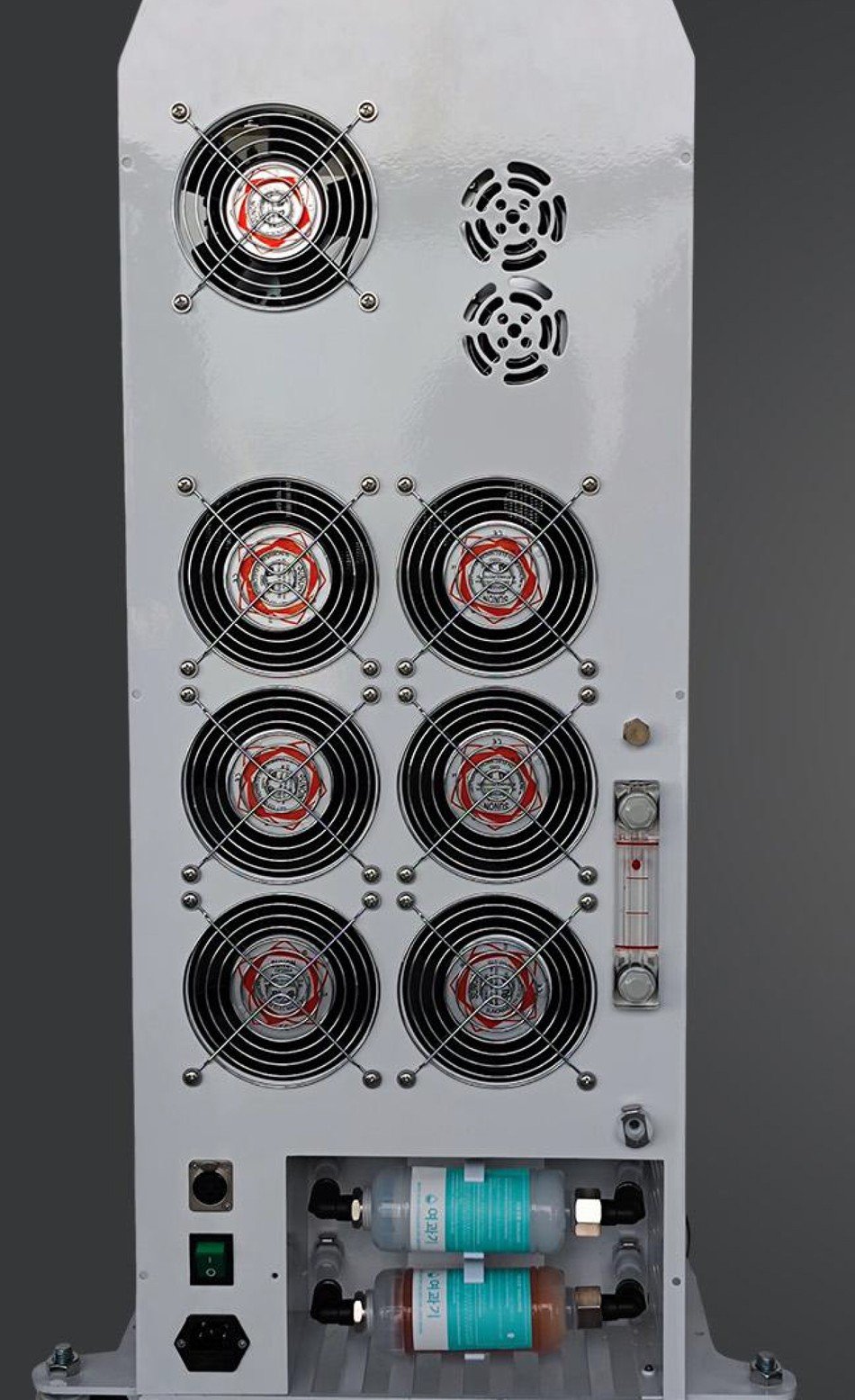
Filter accessible from the rear panel
No tools and no shell removal
Korea imported filters, replacements held in the UK
The machine tells you when it is due
The rear panel. The two water filters sit in the bay at the bottom, reached from outside.
Build quality
What is actually inside it
The manufacturer publishes its component sources, which not all of them do.
Schneider switch
Solid state relay
Dazhi power supply
Brushless DC water pump
Self developed 32-bit processor
Korea imported water filters
Japan imported HCG capacitors
US Coherent laser bars
Specification
Full specification
Item
LD1 as supplied
Laser type
Diode laser, US Coherent laser bars, 100% pure AuSn stack
C-MAX with on-handle screen and 3D magnetic smart tip recognition
Spot sizes
Body 25 × 30mm · Facial 15 × 15mm · Mini Ø8mm
Energy density
1 to 150 J/cm²
Pulse frequency
1 to 10Hz
Pulse duration
10 to 300ms
Bar lifespan
40 million shots (specification sheet), 20 million ensured on the C-MAX stack
Cooling
Sapphire crystal, air, closed water circulation, semiconductor and TEC. Rated to minus 20 degrees, sapphire held at 4 degrees
Display
10.4 inch true colour LCD touchscreen, 15 languages
Continuous use
10 to 12 hours continuous standby working
Electrical
230 to 260V, 50 to 60Hz
Net weight
62kg
Shipping dimensions
65 × 68 × 120cm (W × D × H), volume weight 110kg
Classification
Class 4 laser, BS EN 60825-1
Taken from the manufacturer brochure and specification sheet. If you need the full technical file for your Laser Protection Adviser, ask and we will send it.
Buying
Choose the purchase route that suits your clinic
1
Complete Clinical Package
£16,999 plus VAT. Includes the LD1 device, standard supplied handpieces and accessories, engineer installation and calibration, PAT testing, operational handover, LPA package, practical training and the applicable qualification pathway, subject to entry requirements. Complimentary shell colour and logo customisation is included.
2
Qualified Practitioner Package, 10% off
£15,299.10 plus VAT. Available where the purchaser already holds both a regulated Level 3 Anatomy and Physiology qualification and a regulated Level 4 Laser and IPL qualification. Evidence of both must be supplied and approved before the discount is applied.
3
Machine Only Purchase, 20% off
£13,599.20 plus VAT. Available for established clinics and suitably qualified practitioners requiring the device only. Excludes engineer installation, PAT testing, LPA services, training and regulated qualifications. Complimentary shell colour and logo customisation remains included.
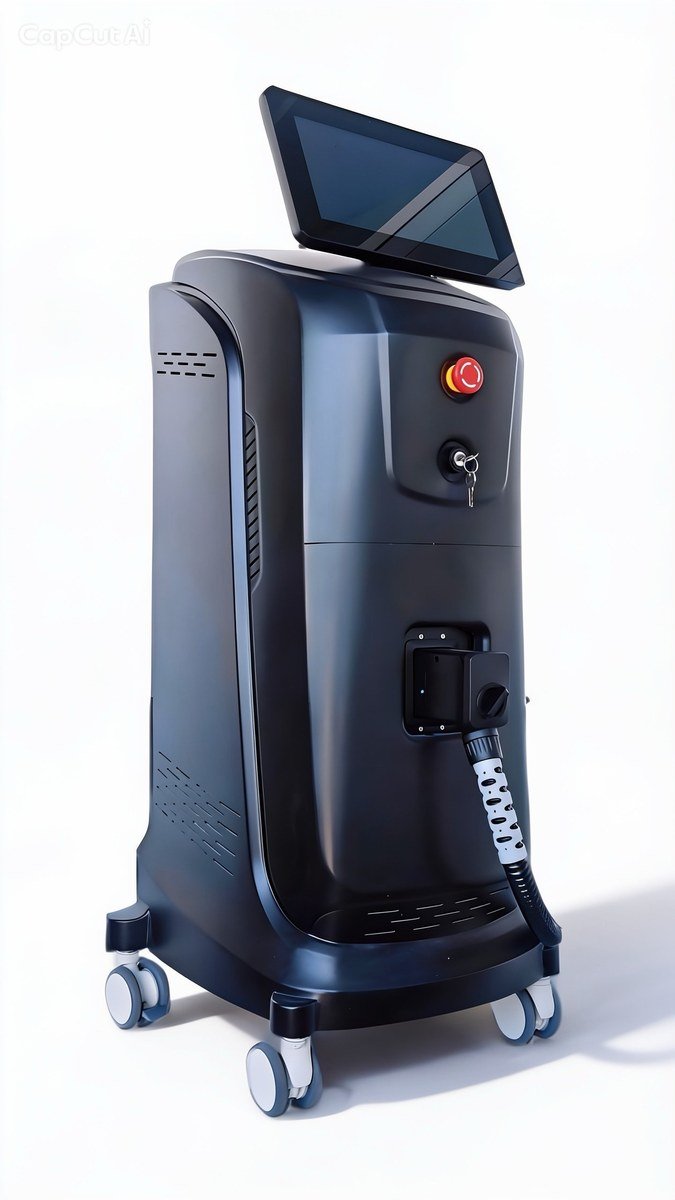
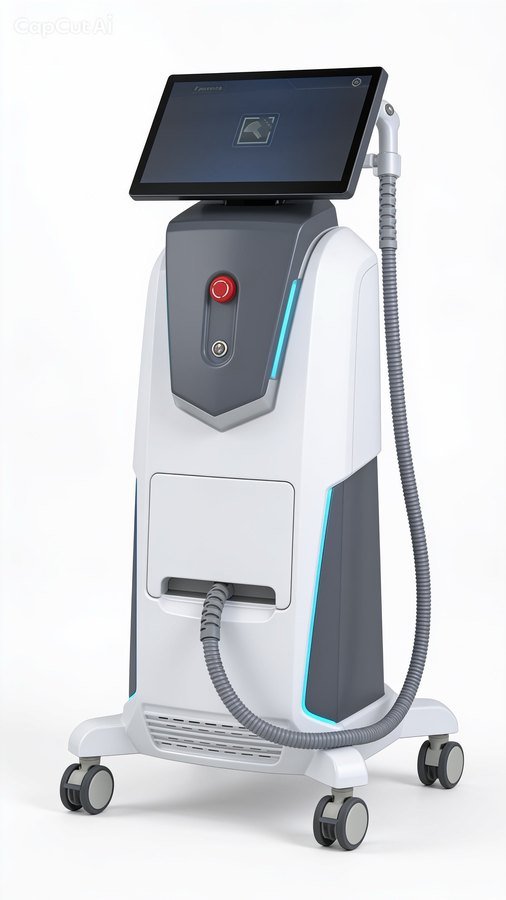
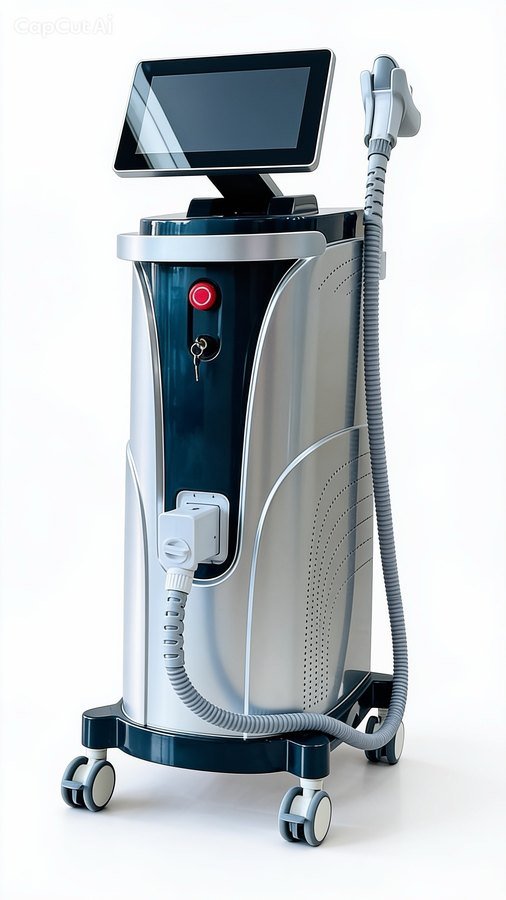
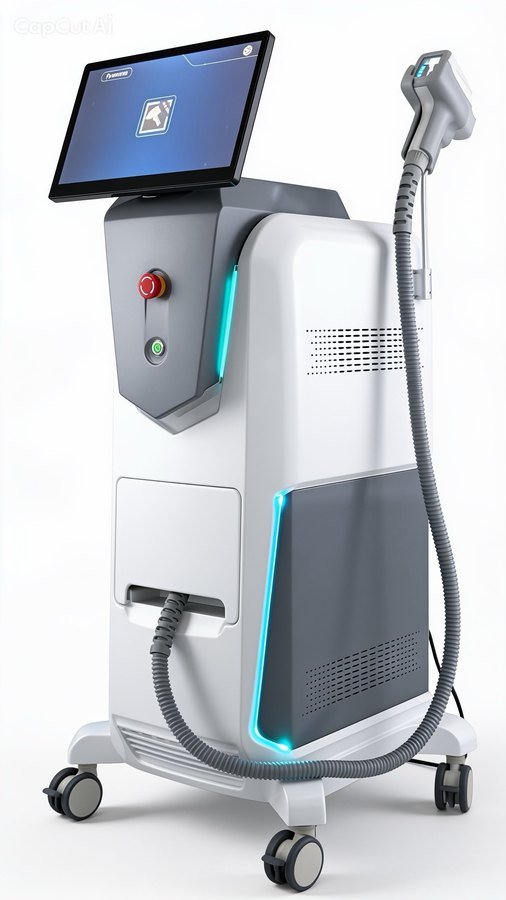
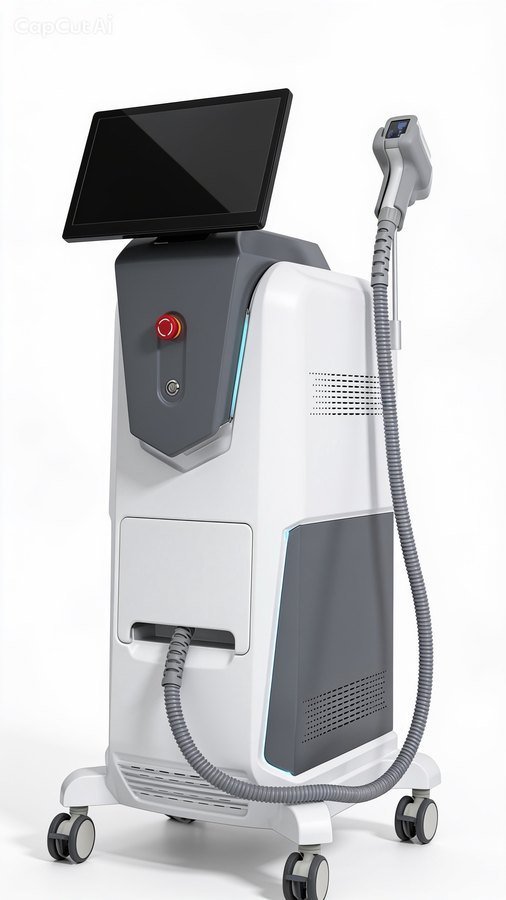
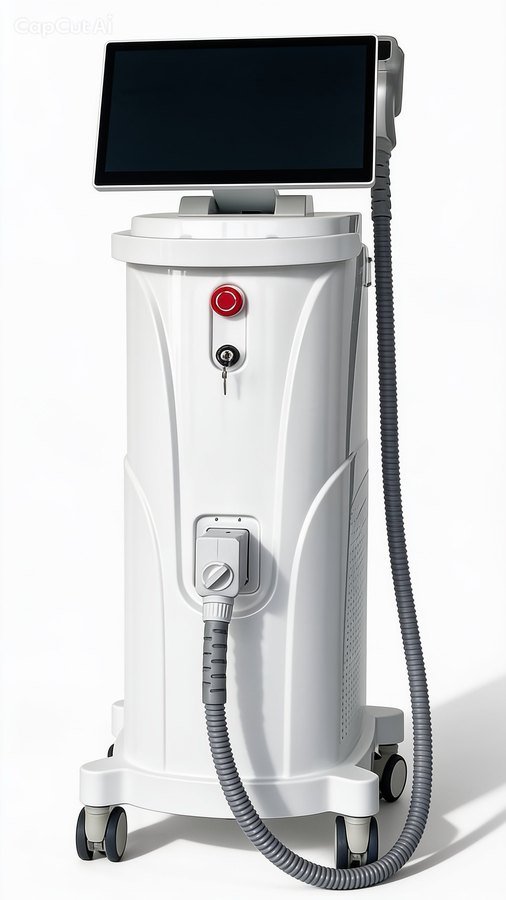
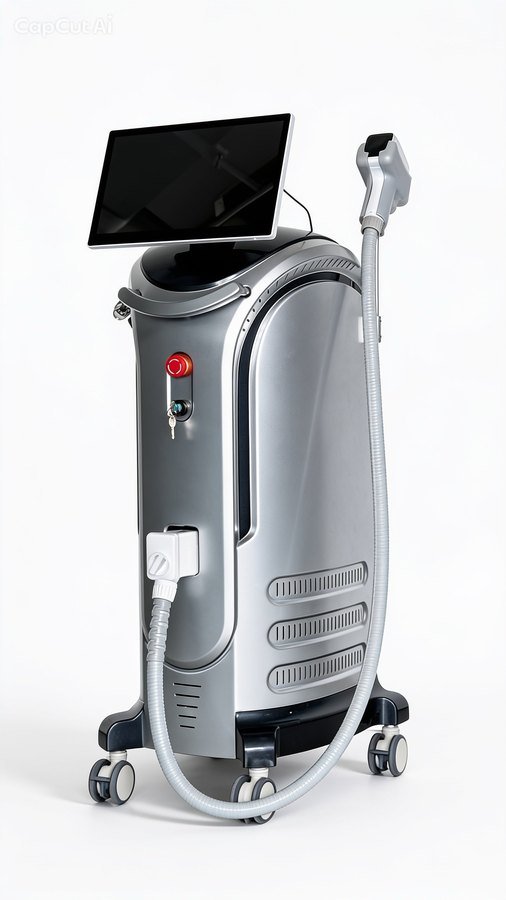
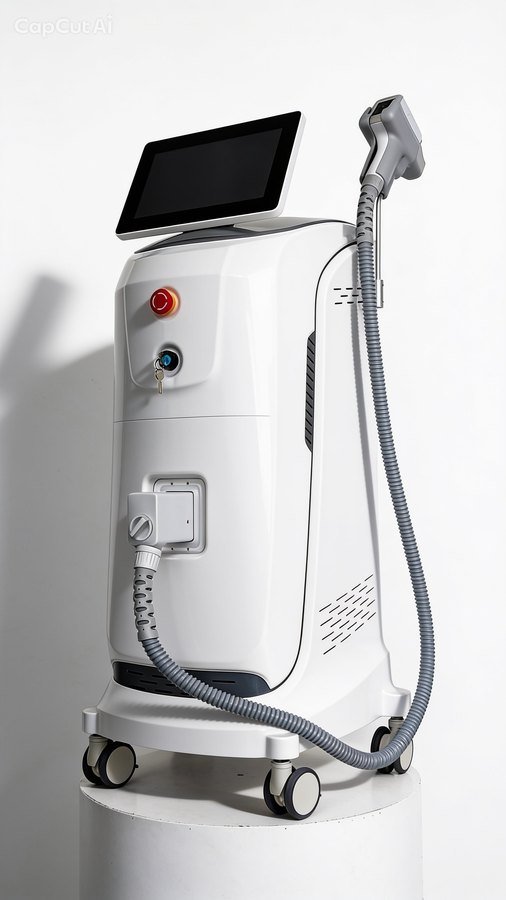
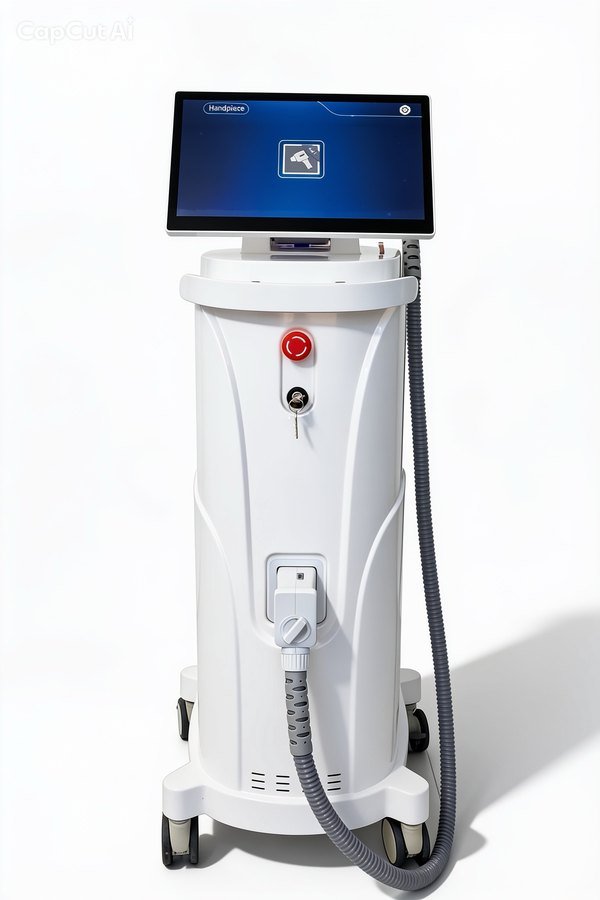
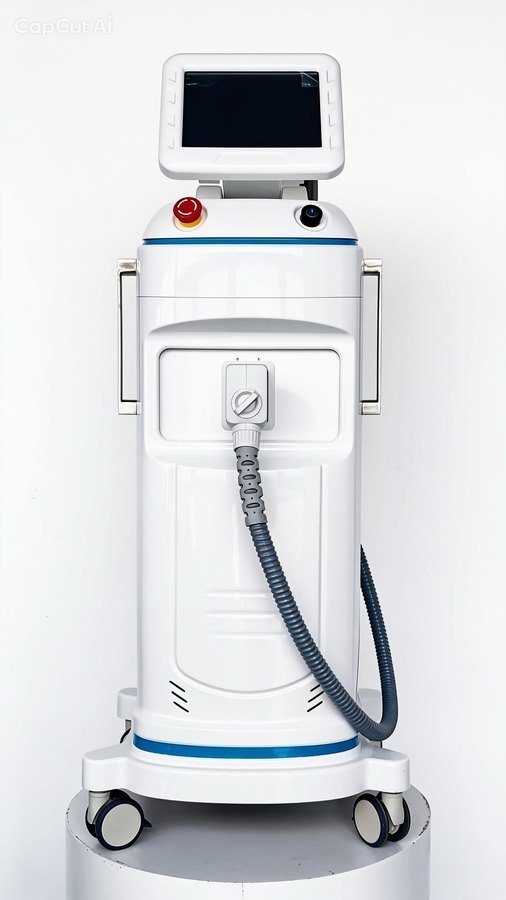
Every LD1 is built to order. Choose the shell colour and finish, add your engraved logo and your name lit in LED on the handpiece, all at no extra cost on every purchase route. Below is a run through of finishes the factory has produced.
Hover to pause. Other colours can usually be matched to your brand. We agree the artwork with you before the machine goes into production, so allow a little extra lead time for a bespoke finish.
Warranty
Eighteen months, and twelve on the bars
18
months
The machine, its shell and its electronics.
12
months
The laser diode bars, which are consumable emitting components.
Repairs are carried out by a UK engineer. We do not ask clinic owners to open the shell of a Class 4 laser, and on this machine the parts you need to reach are on the outside anyway.
Regulatory standing
Who is responsible for what
Item
Detail
Model
LD1, dermatological diode laser system
Manufacturer
Beijing Stelle Laser Technology Co., Ltd, Zhongguancun Medical Device Park, Daxing District, 102600 Beijing, China
Manufacturer SRN
CN-MF-000038245
Risk classification
Class IIa
Basic UDI-DI
697669578LD1Z9
Notified body
TÜV Rheinland LGA Products GmbH, number 0197
Certificate
HD 2264988-1, EC Certificate, Full Quality Assurance System, Directive 93/42/EEC Annex II excluding (4). Issued 23 April 2021. Surveillance audit confirmed 25 January 2024.
Continued validity
Confirmed by TÜV Rheinland on 12 April 2024 under Article 120 of Regulation (EU) 2017/745 as amended by Regulation (EU) 2023/607. For Great Britain, CE marked devices certified under Directive 93/42/EEC may be placed on the market until the sooner of certificate expiry or 30 June 2028.
MHRA registration
Registered 24 May 2024, application reference 2024052201363378, GMDN 58786
UK Responsible Person
MedPath Limited, 27 Old Gloucester Street, London WC1N 3AX
Registration of a medical device with the MHRA records who is responsible for it. It is not accreditation, certification, approval or endorsement, and we never describe it as such.
Copies of the certificates, the MHRA registration confirmation and the supporting test reports are held on file and supplied with the machine. If your clinic is in a London borough you will also need a special treatment licence from your council before you can treat.
Buying direct from the factory
Clinics are sometimes offered the same machine directly by the manufacturer at a lower headline price. We would rather set out plainly what that price does not include than pretend the offer is not made.
Through Skintastic
Included in the price
Engineer installation and calibration
On site PAT testing and operational handover
Ofqual regulated qualification pathway and Core of Knowledge
Twelve months of named Laser Protection Adviser support
Bespoke local rules written for your premises
Eighteen month UK warranty, twelve months on the diode bars
UK engineer servicing, spares and consumables held here
FCA regulated finance
Custom shell, engraved logo and LED handpiece branding
Direct from the factory
What lands on you instead
You become the importer of record, and you are the one the MHRA comes to
You must hold the technical documentation yourself
You must produce the certificate for your insurer, your LPA and your council
In a London borough they ask before granting your special treatment licence
You must satisfy yourself the exact model is on the notified body certificate
No UK warranty and no UK engineer
A fault means shipping a handpiece to Beijing at your cost, and waiting
No training, no local rules and no LPA
Those are the documents an inspection actually looks at
A device imported directly from the manufacturer carries none of the first column, and the purchaser themselves takes on the legal obligations of the importer under the UK Medical Devices Regulations.
We are not saying this to protect a margin. We are saying it because we have spent this year sorting out exactly these problems for clinics who bought elsewhere, and it is far harder to fix afterwards than to get right at the start.
Licensing and governance
Who you will need, and where you will need them
Buying the laser is the straightforward part. What stops clinics trading is usually the paperwork around it, and most people meet these three roles for the first time when a council asks for them. Here is what each one is, in plain terms.
LPA
Laser Protection Adviser
An independent, certified laser safety specialist, normally RPA2000 registered. The LPA carries out a site audit of your treatment room, writes your Local Rules and risk assessment, specifies the correct protective eyewear for your exact wavelengths, and defines the controlled area. This is the appointment a licensing authority will always ask about. Your LPA is not your supplier and should not be.
LPS
Laser Protection Supervisor
Usually you, or a senior member of your team. The LPS is the person on site who is responsible day to day for the Local Rules actually being followed, for keeping the treatment register and the authorised user register, and for making sure nobody operates the machine who is not trained and named. The LPA writes the rules. The LPS lives by them.
EMP
Expert Medical Practitioner
A GMC registered doctor who issues your written Treatment Protocol for that specific device and remains available for clinical advice, on photosensitive medication, on adverse reactions and on contraindications. Their CV, GMC registration and insurance schedule are supplied for your council inspector. Also referred to as an ERHP.
Not every authority writes the EMP into its licence conditions. Some do, some treat it as advisory and some simply ask you to hold a list of practitioners. Our own Laser Protection Adviser recommends appointing one in every case, because a protocol cannot be back-dated and a doctor is only realistically available to you after an incident if they were already retained before it.
Where a licence is required
Licensing is not national. It depends on whether your council holds the local powers, which is why two clinics doing identical work in different towns can face completely different requirements. These are the areas where a licence is commonly required for laser and IPL.
Area
Authorities
All 32 London boroughs
Barking and Dagenham, Barnet, Bexley, Brent, Bromley, Camden, Croydon, Ealing, Enfield, Greenwich, Hackney, Hammersmith and Fulham, Haringey, Harrow, Havering, Hillingdon, Hounslow, Islington, Kensington and Chelsea, Kingston upon Thames, Lambeth, Lewisham, Merton, Newham, Redbridge, Richmond upon Thames, Southwark, Sutton, Tower Hamlets, Waltham Forest, Wandsworth and Westminster
Nottinghamshire
Nottingham City, Broxtowe, Gedling and Rushcliffe
Kent and Medway
Ashford, Canterbury, Dartford, Dover, Folkestone and Hythe, Gravesham, Maidstone, Medway, Sevenoaks, Swale, Thanet, Tonbridge and Malling, Tunbridge Wells
Sussex
Brighton and Hove, Eastbourne, Lewes and Wealden
Midlands
Birmingham, Coventry, Derby, Leicester, Northamptonshire, Staffordshire, Stoke-on-Trent and Worcestershire
North East
Darlington, Durham, Hartlepool, Middlesbrough and Stockton-on-Tees
Wales, Scotland and Northern Ireland
Regulated instead by the national healthcare inspectorates, HIW in Wales, HIS in Scotland and RQIA in Northern Ireland
This list is a guide and not a substitute for asking. Powers change, and some authorities apply them differently from their neighbours. Before you commit to premises, telephone the licensing team at your own council and ask two questions: do we need a special treatment licence for laser and IPL, and do your conditions require an Expert Medical Practitioner. Get the answer in writing.
If your council does not hold these powers, you are not off the hook. Your obligations under the Health and Safety at Work etc. Act 1974, the Control of Artificial Optical Radiation at Work Regulations 2010 and BS EN 60825 apply everywhere, and your insurer will ask for the same documents whether or not a licence is involved.
Scotland, Wales and Northern Ireland
Different rules again, and the reason clinics there struggle to buy
Outside England there is no council licence. Instead the clinic itself is registered and inspected by a national healthcare inspectorate, and the standard of documentation they expect is higher, not lower. This is where most machines on the market fall down, and it is the most common reason a clinic in Cardiff or Glasgow cannot find a laser it is allowed to buy.
Wales
HIW
Any independent service using Class 3B or Class 4 laser or IPL equipment must register with Healthcare Inspectorate Wales under the Care Standards Act 2000 and the Independent Health Care (Wales) Regulations 2011, and meet the National Minimum Standards. Inspections are announced, with up to twelve weeks of notice, and findings are published. HIW has issued cautions to providers operating laser services unregistered.
Scotland
HIS
Independent clinics register with Healthcare Improvement Scotland under the regulation of independent healthcare. Registration covers the service and the premises, and the inspection looks at your equipment documentation, your Laser Protection Adviser arrangements and your staff competence together.
Northern Ireland
RQIA
Independent services using lasers and IPL are registered and inspected by the Regulation and Quality Improvement Authority. As in Wales and Scotland, the clinic is registered rather than the premises being licensed by a council.
What an inspector actually asks to see
In all three nations the inspection turns on documents. These are the ones that concern the machine itself, and they are the ones we supply with every LD1.
The notified body certificate, naming the body and its number
Evidence of device registration and who the UK Responsible Person is
The manufacturer conformity documentation
The classification, Class 4 to BS EN 60825-1
Full instructions for use in English, not a brochure
Wavelengths, maximum output and pulse parameters for eyewear specification
Compliance with BS EN 60601-2-22 for the laser
Test reports and the technical file for your LPA
One distinction worth knowing, because sellers blur it. HIW, HIS and RQIA register the clinic, not the machine. No laser is HIW registered or HIS approved, and anybody telling you otherwise is misleading you. What the machine needs is a complete and accurate documentation pack so that your registration can succeed.
That is the whole difficulty. Plenty of machines are sold in the United Kingdom at attractive prices with a certificate that turns out to cover electrical safety rather than medical device conformity, with a manual that is really a sales brochure, or with no named UK Responsible Person at all. A clinic in Wales or Scotland often only discovers the gap when the inspector asks, by which point they own the machine.
We send the documentation pack before you buy, not after. If you are registering with HIW, HIS or RQIA, ask and we will email the certificates, the registration confirmation, the test reports and the instructions for use, so that you or your adviser can check them against your application before you spend anything.
Every LD1 on the Complete Clinical Package is supplied with the governance framework already built around it, so you are not left to assemble it yourself after the machine arrives.
Included with the machine
Twelve months of named Laser Protection Adviser support
Site audit report for your treatment room
Bespoke Local Rules written for your premises
Risk assessment
Correct protective eyewear specified for your wavelengths
Engineer installation, calibration and PAT testing
Full technical file for your LPA to work from
And the training that goes with it
Laser Core of Knowledge
Level 4 Laser and IPL Treatments, RQF, where required
Level 3 Anatomy and Physiology as the prerequisite
One to one practical training with live models
Authorised user records your LPS can actually use
We can also arrange the Expert Medical Practitioner and Treatment Protocol through our Laser Protection Adviser if your council requires one, or if you simply want the clinical cover. Ask and we will quote it separately.
Built on laser expertise, and committed to your success. When you buy a medical device from us you are buying the people who answer for it afterwards.
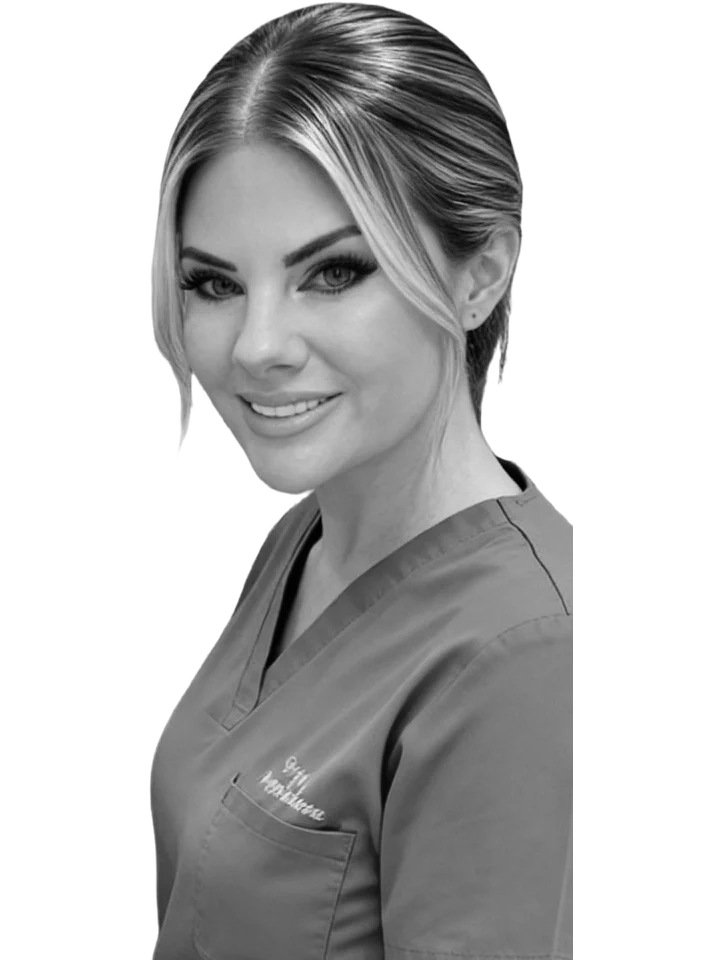
Carla Cooper-Gale
Managing Director
Over fifteen years of specialist laser experience, with more than 7,500 students trained. Skintastic Aesthetic Supplies Ltd is the UK importer and distributor for this device, and Carla handles the regulatory side of every sale personally.
Medical device compliance
Assessor
IQA
Level 5 DET
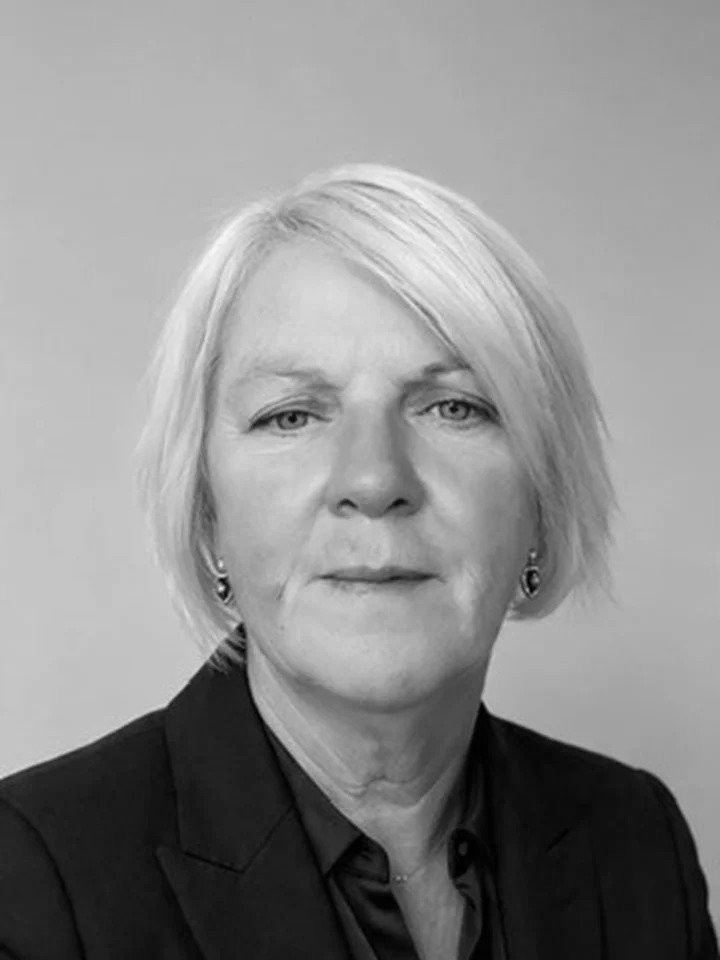
Brenda West
Internal Quality Assurer
A retired senior nurse with decades of clinical experience, Brenda maintains the standards of training, assessment and the award of qualifications. She is the reason our training holds up when an awarding body looks at it.
Senior nurse, retired
IQA
Dr Godfrey Town, PhD
Laser Protection Adviser
A Registered Laser Protection Technologist and Medical Physicist with a PhD in laser physics, and decades of experience advising clinical and research environments on laser safety. Every system we supply sits inside his governance framework.
PhD laser physics
Registered LPA
Medical physicist
Skintastic Aesthetic Supplies Ltd is registered in England and Wales, company 11028743, registered office 26 The Avenue, Southampton SO17 1XL. VAT 368 8599 17. Authorised and regulated by the Financial Conduct Authority, firm reference 964293. We act as a credit broker, not a lender. MedPath Limited is the UK Responsible Person for the Stelle machines and Skintastic Aesthetic Supplies Ltd is the UK importer and supplier.
Finance
Pay for it out of what it earns
Most clinics finance rather than buy outright, and the LD1 is available on business equipment finance over two, three, four or five years. Skintastic Aesthetic Supplies Ltd is FCA authorised, firm reference 964293. We act as a credit broker, not a lender, and we take no commission from the lender.
Work out the payment
Put the price excluding VAT into the calculator and it will show you an indicative monthly figure over each term, with a separate set for businesses trading under three years.
Download the Kennet enquiry form, fill it in and send it straight back to us on WhatsApp. We start the background checks the same day and a decision in principle usually comes back within two hours in working hours.
Finance is subject to status and to lender approval. Arranged through Kennet Equipment Leasing Ltd, who work with a panel of lenders. Please send the completed enquiry form back to us on WhatsApp rather than by email. It carries your date of birth, your home address, your property and mortgage details and your consent to a credit search. Email is not encrypted and leaves a copy of the attachment on every mail server it passes through. WhatsApp is encrypted end to end and goes straight to a phone. If you would rather not use WhatsApp, ring us on 02381 946394 and we will arrange another way.
Talk to us before you buy
We would rather spend twenty minutes working out whether the LD1 is right for your list than sell you the wrong machine. WhatsApp is quickest.