
CPD Accredited · 16 Credits · Three Phases
Advanced Skin Analysis Training Course
Reading the skin properly before you choose a treatment. Three phases covering consultation and technique, skin physiology, and using diagnostic technology to confirm what you see.
Price on enquiry16 CPD creditsThree phases237 page manualSkin diagnostic equipmentLive modelsSouthampton academy
About this course
This is the course that makes every other treatment you offer work better. Most treatment failures in aesthetics are not machine failures, they are analysis failures, where the practitioner treated what they assumed rather than what was actually in front of them.
Phase one covers detailed consultation, diagnostic characteristics, protocols, the basic majority skin types and their diagnostic indicators, and how to determine which skin condition to prioritise. It then goes deep into skin structure and function, the life cycle of the keratinocyte, the dermis, collagen synthesis, the elastic property of elastin, and glycation.
Phase two is skin physiology applied to the analysis procedure. The Fitzpatrick chart and diagnosis, the immune system, cells and systems working in synergy, free radicals, the lymphatic system, enzyme activity, essential fatty acids, the acid mantle and micro flora, and diagnosing the different types of acne including hormonal and medicated acne.
Phase three brings in technology. Determining priority skin conditions, designing your own consultation and analysis form, maintaining client records, digital cameras, skin diagnostic equipment and confirming your diagnosis electronically.
- CPD accredited, 16 credits
- Three phase structure
- Skin structure, function and physiology in depth
- Fitzpatrick charting and diagnosis
- Diagnosing the different types of acne
- Free radicals, glycation and the ageing process
- Designing your own analysis form
- Skin diagnostic equipment and digital imaging
| Section | What it covers |
|---|---|
| Detailed consultation | How to take a consultation that actually tells you something |
| Diagnostic characteristics and protocols | Reading what is in front of you and following a repeatable protocol |
| Skin types and diagnostic indicators | The basic majority skin types and how to recognise each |
| Determining priority skin conditions | Deciding what to treat first when a client presents with several concerns |
| Skin structure and function | The epidermis, the life cycle of the keratinocyte, and the dermis |
| Collagen and elastin | Collagen synthesis, the elastic property of elastin, and what happens as both decline |
| Glycation | Sugar, cross linking and what it does to the skin |
| Fitzpatrick chart and diagnosis | Charting properly and what it means for treatment choice |
| The immune system and synergy | How the systems of the body work together in the skin |
| Free radicals | Oxidative stress and its role in skin condition |
| Secretions and systems | The impaired lymphatic system, impaired enzyme activity and essential fatty acids |
| Acid mantle and micro flora | The skin barrier and the microbiome |
| Acne and hormonal acne | Diagnosing the different types of acne, including hormonal and medicated acne |
| Using technology | Digital cameras, skin diagnostic equipment and confirming diagnosis electronically |
| Records and forms | Designing a consultation and analysis form, and maintaining client records |
What you get
Hardback workbook
Posted to you
An interactive hardback manual and workbook is sent out when you book. You work through it, complete the questions, and keep it as a reference in your clinic.
Online resources
Study at your own pace
Online learning to work alongside the manual, so you can go over anything as many times as you need before you come in.
Practical training
Live models
Face to face at our academy on The Avenue in Southampton, on live models under supervision, with all client forms included for your own clinic.
Where you train
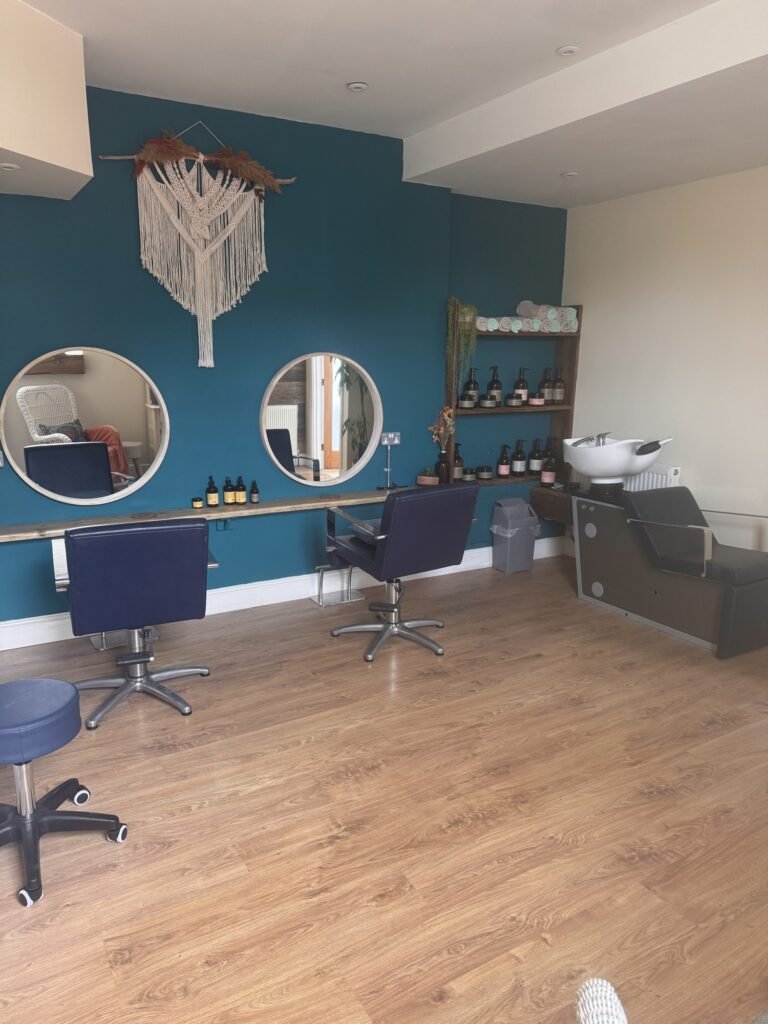
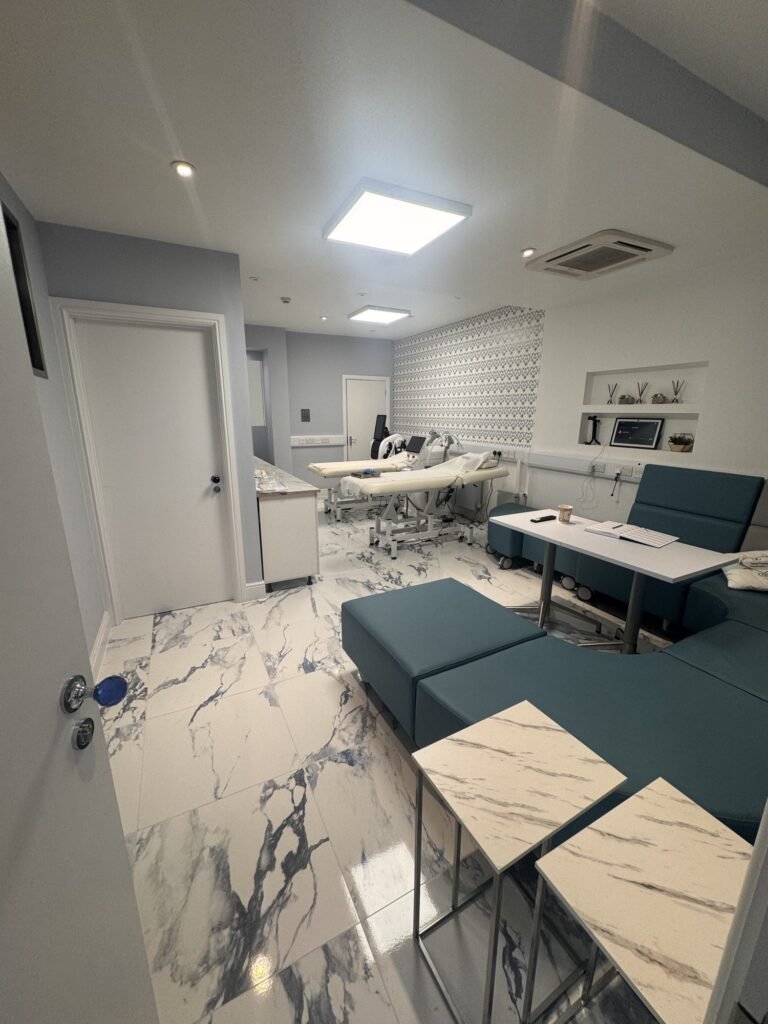
Photographs from our own academy at 26 The Avenue, Southampton.
How you are assessed
Assessment is by review questions at the end of each phase, followed by practical analysis of live models.
You carry out full consultations and analyses, determine priority skin conditions, and confirm your diagnosis using diagnostic equipment.
You will also design your own consultation and analysis form to use in your own clinic.
- Review questions after each phase
- Practical skin analysis on live models
- Priority condition decision making
- Diagnosis confirmed with diagnostic equipment
- Your own analysis form designed and reviewed
Before you book
Entry requirements. A Level 3 qualification in Anatomy and Physiology, or equivalent beauty or aesthetics qualification.
If you are missing either, you can take them with us first. Level 3 Anatomy and Physiology.
Insurance. Most insurers want to see an existing beauty or aesthetics qualification alongside a CPD certificate before they will cover you for this treatment.
If you are not sure whether your qualifications and your policy will cover you, message us on WhatsApp before you book and we will check it with you.

Accreditation
This course is accredited by The CPD Group. Skintastic Aesthetic UK is an approved provider, number 777800, which anyone can verify at thecpdregister.com. The course carries 16 CPD credits and the accreditation runs to 15 October 2029.
Book your place
Message us on WhatsApp for the next available dates and the current price, and we will get your manual out to you.