CPD Accredited · 12 Credits · IPL and Nd:YAG
Light and Laser Pigmentation Reduction Training Course
Reducing pigmentation safely with IPL, laser and Q-switched Nd:YAG. The skin science first, then the protocols, then how to keep darker skin types safe.
£39912 CPD credits191 page manual and workbookIPL and Q-switched Nd:YAGLive modelsClient forms packSouthampton academy
About this course
Pigmentation is where most practitioners get into trouble, because treating it well means understanding what is actually causing it before you point any light at it. This course starts with the skin science and works forward from there.
You will learn the melanocyte and phototypes, how pigment is made, what oxidative stress and ageing do to the skin, what causes pigmentation in the first place, and how to tell the different types apart, including post inflammatory hyperpigmentation.
Then the treatment side: how light, IPL and laser reduce pigment, the full treatment protocol, the clinical endpoints that tell you when to carry on and when to stop, and the separate Q-switched Nd:YAG technique.
There is a full unit on treating darker skin types safely, and one on other treatment methods and when to refer a client on rather than treat.
- CPD accredited, 12 credits
- Full skin science before any treatment
- IPL and Q-switched Nd:YAG protocols
- Clinical endpoints, normal versus stop
- Dedicated unit on darker skin types
- Aftercare, side effects and complications
- Client forms pack for IPL and Nd:YAG
- Questions students often ask, answered
| Section | What it covers |
|---|---|
| Health and safety and your legal duties | Health and Safety at Work etc. Act 1974 and the Control of Artificial Optical Radiation at Work Regulations 2010 |
| UK regulations, laser safety and the LPA | Local Rules, your Laser Protection Adviser, and the LPA site visit |
| The skin, the melanocyte and phototypes | Skin structure, the melanocyte, and Fitzpatrick phototyping done properly |
| How pigment is made | Melanogenesis and MSH, and what actually triggers pigment production |
| Cellular damage, oxidative stress and ageing | What is happening in the skin underneath the pigment you can see |
| What causes pigmentation, and why | Sun, hormones, medication, inflammation and injury |
| The types of pigmentation | Telling them apart, because they do not all respond the same way |
| Post inflammatory hyperpigmentation | Recognising it, treating it, and above all not causing it |
| Consultation, visual analysis and patch testing | Reading the skin, recording it, and testing before you treat |
| How light, IPL and laser reduce pigment | The mechanism, wavelength selection and what each device can and cannot do |
| Treatment in practice and full protocol | The Skintastic clinic protocol step by step |
| Clinical endpoints | What normal looks like, and the point at which you stop |
| Q-switched Nd:YAG technique | The separate technique for Q-switched treatment |
| Treating darker skin types safely | Fitzpatrick IV to VI, settings, testing and risk |
| Aftercare, side effects and complications | What you send them home with and how to manage what goes wrong |
| Other treatment methods and when to refer | Knowing the limits of what you should be treating |
What you get
Hardback workbook
Posted to you
An interactive hardback manual and workbook is sent out when you book. You work through it, complete the questions, and keep it as a reference in your clinic.
Online resources
Study at your own pace
Online learning to work alongside the manual, so you can go over anything as many times as you need before you come in.
Practical training
Live models
Face to face at our academy on The Avenue in Southampton, on live models under supervision, with all client forms included for your own clinic.
Who this course is for
Practitioners who work with, or plan to work with, IPL or Q-switched Nd:YAG and want to reduce pigmentation safely in their own clinic, and who hold the entry requirements below.
Learning outcomes
By the end of this course you will be able to:
- Understand and apply the legislation, regulation and laser safety requirements relevant to IPL and laser use in the UK.
- Explain the roles of the Laser Protection Adviser, Laser Protection Supervisor and Authorised User, and what Local Rules must contain.
- Describe the structure of the skin, where pigment is made, and the process of melanogenesis and the MSH cascade.
- Explain what causes pigmentation (UV, hormones, inflammation, genetics and cellular ageing) and why.
- Identify and distinguish the types of pigmentation, including melasma, chloasma, PIH, lentigines, ephelides, poikiloderma and hypopigmentation, and judge what can and cannot be treated.
- Carry out a thorough consultation and Fitzpatrick skin typing, and identify contra-indications and exclusions.
- Match wavelengths (532 nm and 1064 nm) to the depth of pigment and the client’s skin type.
- Perform and document a compliant patch test, and recognise normal and adverse reactions.
- Perform a full treatment step by step using safe technique, treat higher Fitzpatrick skin types safely, and know when not to treat.
- Give appropriate aftercare, recognise complications, and know when to refer to a GP or dermatologist.
- Complete accurate records using compliant consultation, consent and treatment documentation.
Duration and delivery
Your hardback manual and workbook is posted to you when you book, so you can read ahead. You then attend a practical training day at our academy, 26 The Avenue, Southampton SO17 1XL. The day runs in eight sessions, from UK regulation and laser safety through the skin science, consultation and patch testing, to the full treatment protocol and a supervised practical on live models. Timings are set by your trainer and adjusted to the group.
From our clinic and academy
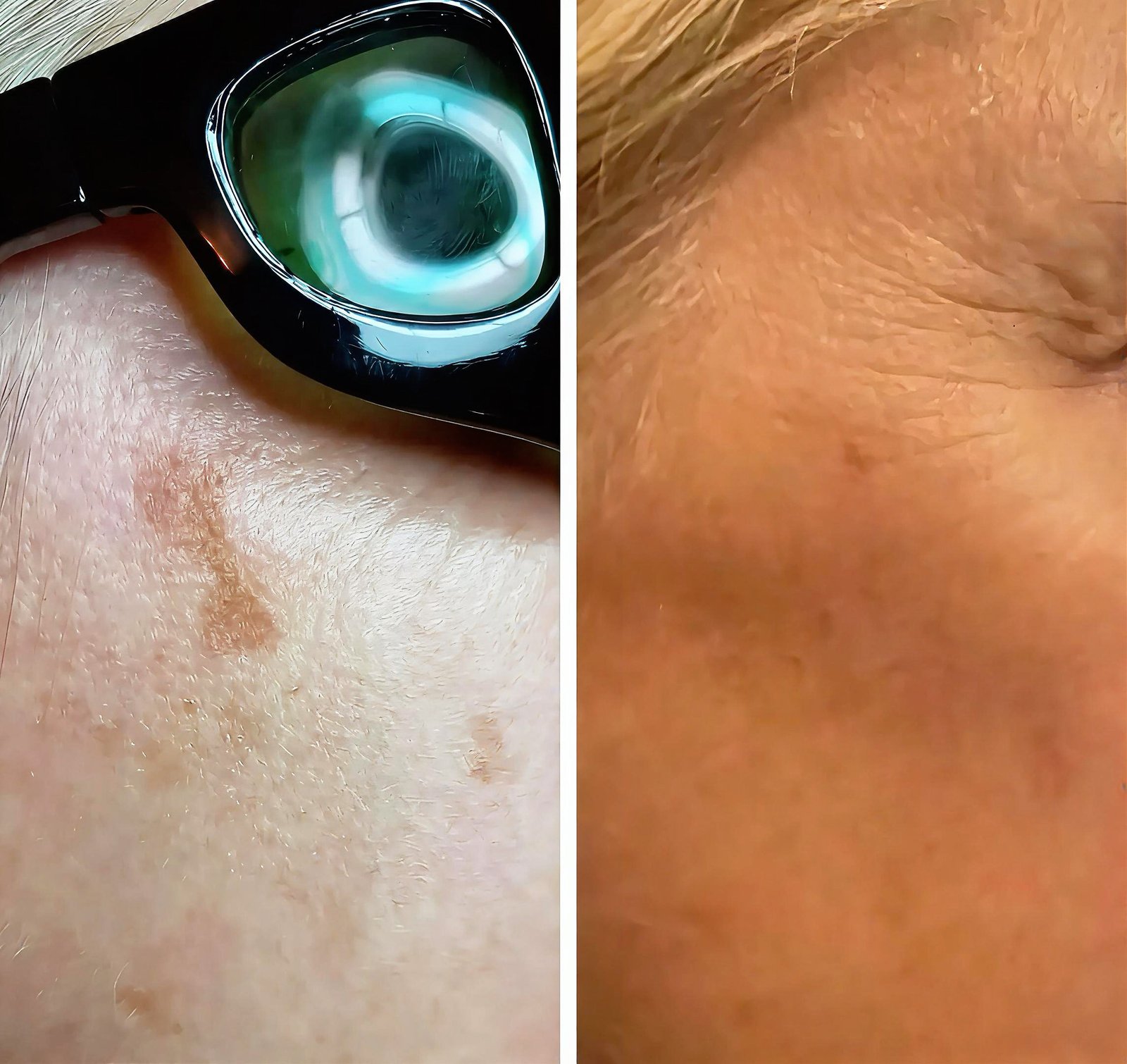
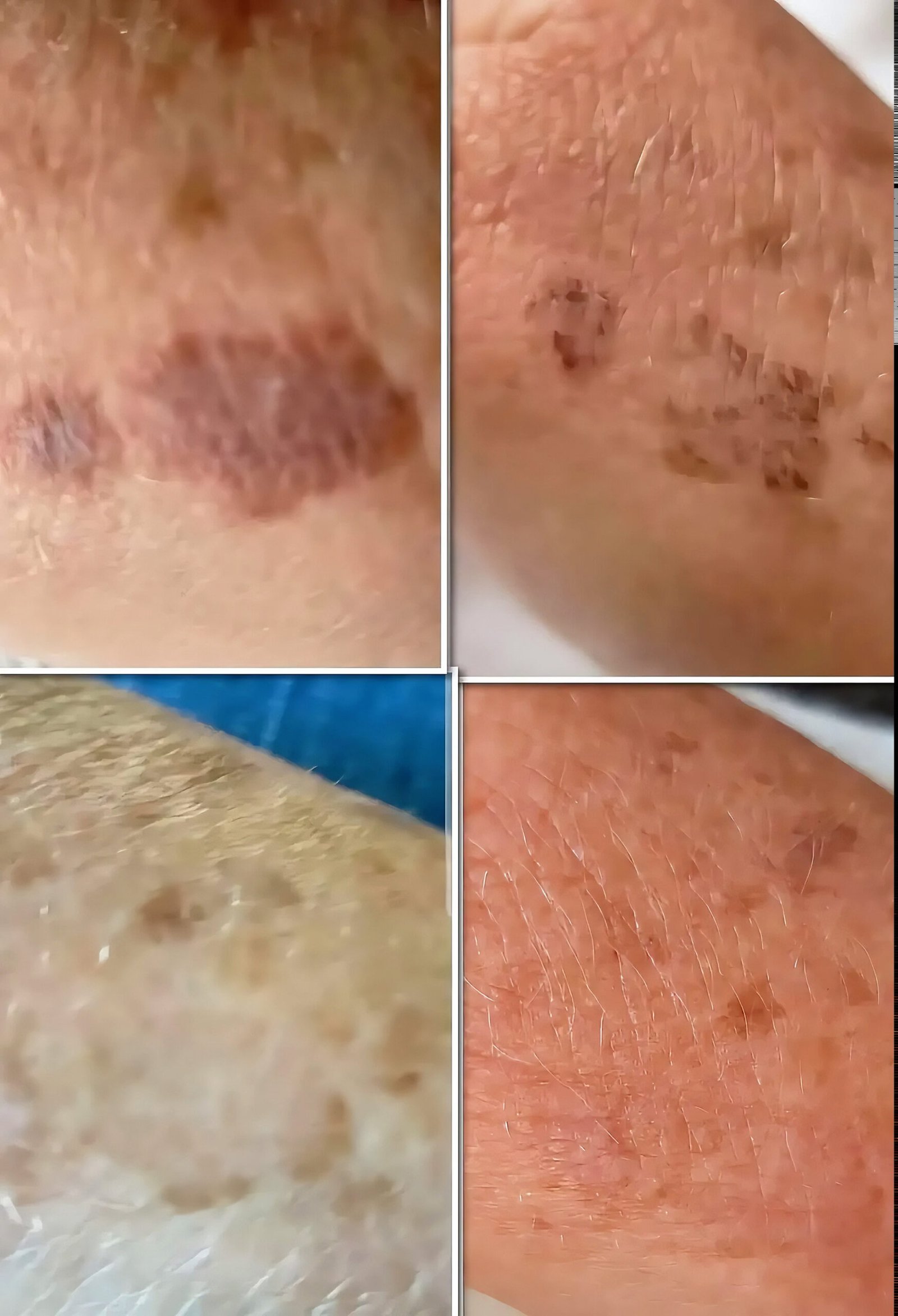
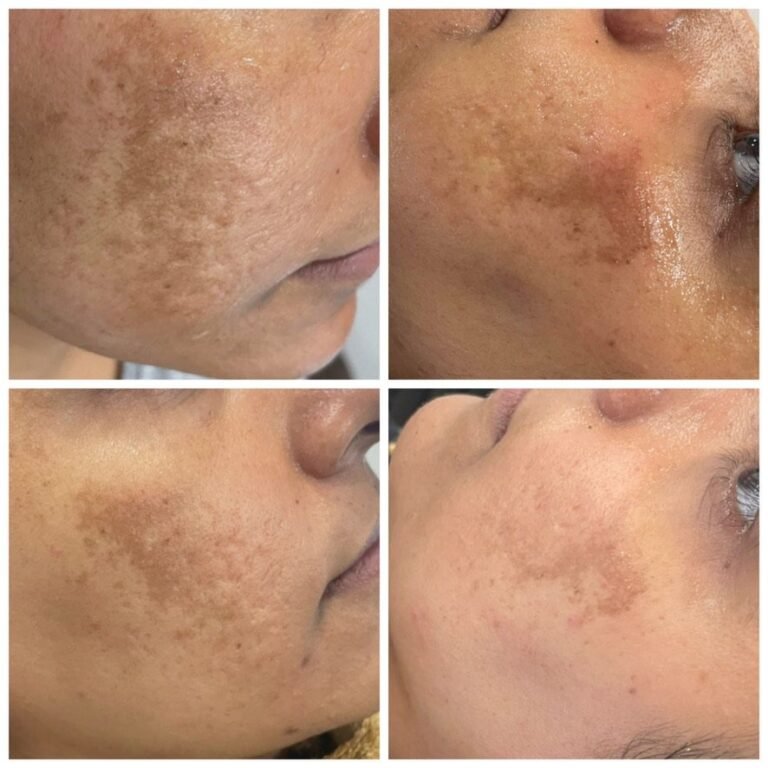
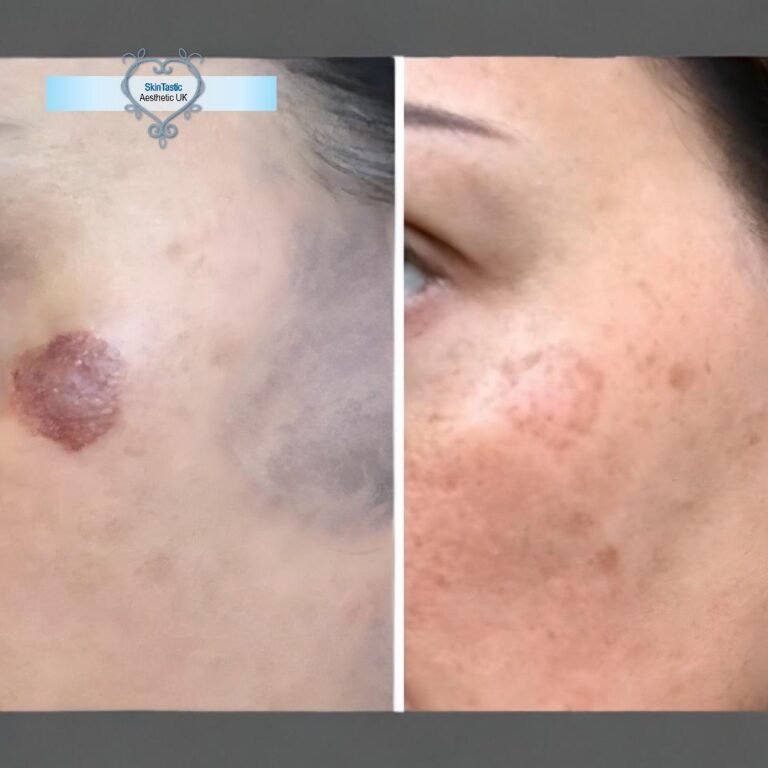
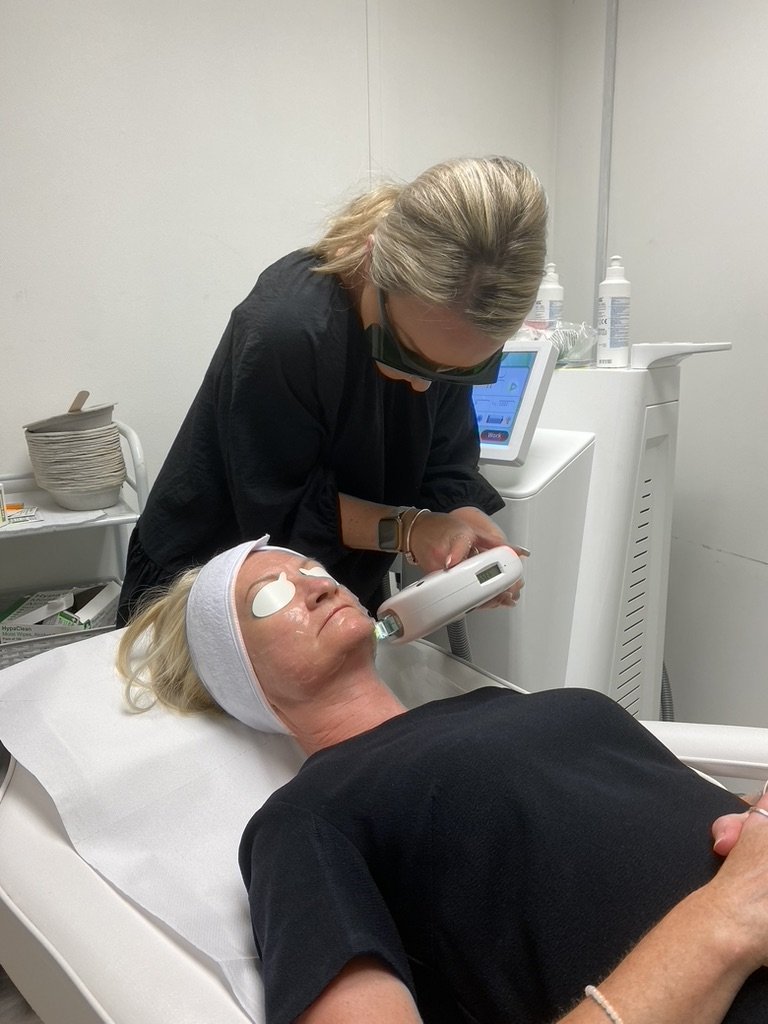
Photographs from our own clinic and academy in Southampton. Clients shown with their consent. Individual results vary.
How you are assessed
Assessment is by a written knowledge review and short answer questions in the workbook, followed by supervised practical work on live models.
You demonstrate consultation and visual analysis, patch testing, machine settings, technique and aftercare.
Your certificate is issued once both parts are complete.
- Knowledge review and short answer questions
- Consultation and visual analysis assessed
- Patch test demonstration
- Supervised treatment on live models
- Written certificate on completion
Before you book
Entry requirements. A Level 3 qualification in Anatomy and Physiology, and a Laser and IPL Core of Knowledge certificate.
If you are missing either, you can take them with us first. Level 3 Anatomy and Physiology and Laser and IPL Core of Knowledge.
Insurance. Most insurers want to see an existing beauty or aesthetics qualification alongside a CPD certificate before they will cover you for this treatment.
If you are not sure whether your qualifications and your policy will cover you, message us on WhatsApp before you book and we will check it with you.
Accreditation
This course is accredited by The CPD Group. Skintastic Aesthetic Lasers Ltd is an approved provider, number 777800, which anyone can verify at thecpdregister.com. The course carries 12 CPD credits and the accreditation runs to 29 September 2029.
The rest of the picture
Book your place
Message us on WhatsApp for the next available dates and the current price, and we will get your manual out to you.